

14 Hidden Renovation Costs That Could Blow Your Budget

We may receive a commission on purchases made from links.
As the national average for whole-house renovations exceeds $50,000, most people will need to plan and save accordingly. Consequently, you need to be aware of these hidden renovation costs that could blow your budget. These problems and easy-to-forget tasks can really throw a wrench in the works. You might have to pay a few hundred dollars to fix them, but against an already overstretched budget, even that amount can be trouble. That said, some of these hidden costs will put you on the hook for thousands.
To protect yourself, it is essential to be aware of them ahead of time. This way, you can test for dangerous substances instead of finding them halfway through your project and halting everything for months. You can also consider more realistic lead times when ordering your materials — and sometimes, you will need to save up a bit of a buffer in your renovation budget in case an emergency rears its ugly head. Everything that can go wrong will go wrong, but knowing about it in advance and being more prepared financially will limit the fallout.
Permit fees and code upgrades are easy to overlook
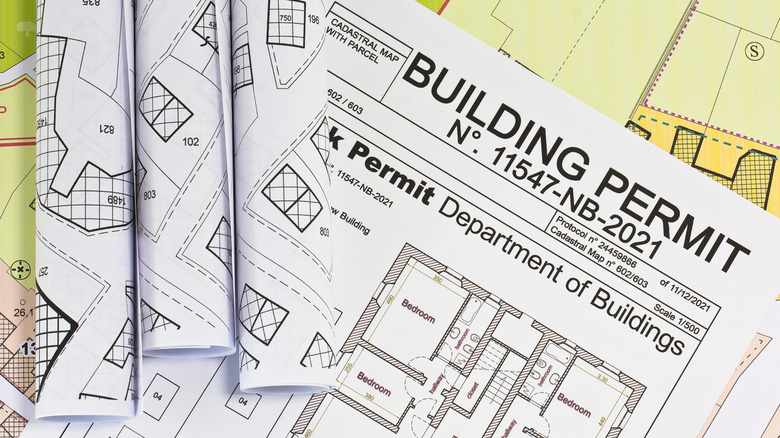
You typically have to pay the local government to do work on your house. This is paid with permit fees. These permits are the government's way of ensuring the work is safe and follows local building codes. They are required for plumbing, electrical, HVAC, and demolition work. Good contractors won't work without permits. Be wary of people who say they can work under the table without them. In fact, the logistics of who is applying for the construction permits and when should be one of the key questions you ask a contractor before hiring them for a kitchen remodel, or any other major work.
It's always cheaper to get the permits up front, rather than pay the fine for not having them. For example, in Houston, Texas, a plumbing permit typically runs around $100, but the fine for not having one can be up to $1,000 a day. Most homeowners who have renovated will agree that it's not worth the risk.
Changing your mind mid-project leads to wasted funds and double-dipping
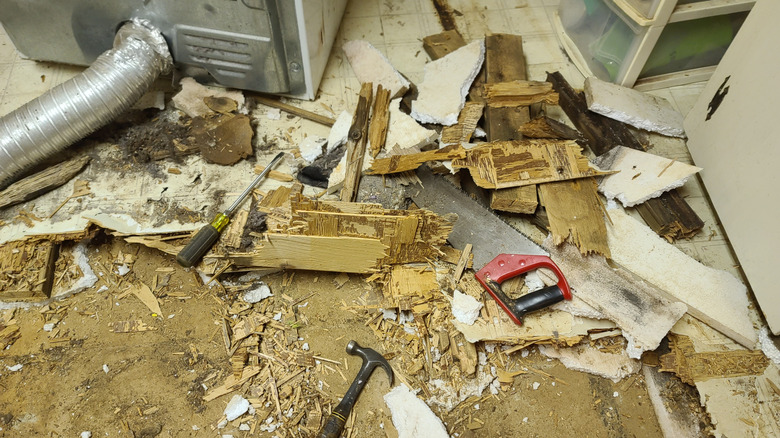
Unexpected design changes can really blow your budget, especially when extra costs pop up. So to get the best price on your home renovation, you need to make all of your design decisions before you begin work on an area.
Contractors estimate that if you want a different tile or cabinet shape, or put in any other change order in the middle of things, you're going to increase the overall price of the project by 10% to 15%. The renovation will also take 30% longer. These costs and delays come mainly from double-ordering the same materials in different designs, plus paying for the extra labor it takes to do additional demolition. You also lose a lot of time waiting for orders to be filled, as the lead time on bespoke materials can be quite long.
To avoid wasting money, spend more time in the planning phase. Even if you aren't unsure about a flooring material or cabinet shape, go out of your way to order samples. Seeing the colors and feeling the materials, even if the sample can only be viewed in store, can save you a lot of wasted effort.
Updating electrical wiring in older homes to comply with modern codes is a costly renovation surprise
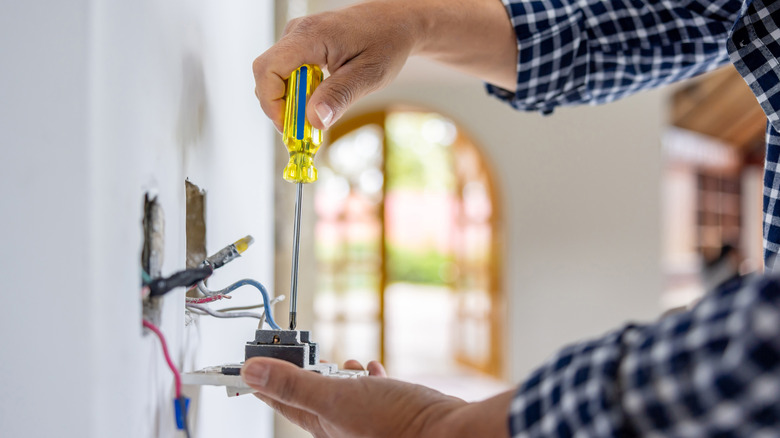
Updating the electrical wiring in older homes can be a real money pit. As you renovate your property, you might not realize that its electricity isn't up to code. This is mainly due to the absence of GFCI outlets, or ground fault circuit interrupters, in the required spots.
These outlets constantly monitor the flow of electricity. They quickly shut off power if they detect an imbalance, which can happen when current leaks through water or a person. This rapid cutoff helps prevent electrical shock. They have been required in outdoor outlets near pools since 1971, but in other places, like bathrooms and kitchens, in the years since. If you've ever wondered why some outlets have red and black buttons, it's because of the interrupters.
When you renovate, you'll need to bring your house up to code. Rewiring a house in this way can be anywhere from $2,000 to $20,000, but the most common price tag is $10,000. This comes out to be about $2 to $4 per square foot of the house. This is not chump change, so not factoring it into your renovation budget can really set you back.
Redoing DIY fails means paying twice

DIYing your home renovation can save you a lot of money at the onset, but overestimating your contracting ability might mean you have to pay twice. This doesn't mean fixing up a shoddy job to make your home more appealing to buyers, but rather needing to hire someone to come in behind you because you were out of your depth. For example, recent surveys indicate that installing flooring incorrectly will cost you an extra $829 and add almost 14 hours of work and planning to your project.
To avoid this, the first step is to be realistic. If you're a DIY pro, you won't need any tips for a flawless vinyl plank flooring installation because it's second nature. However, if you're newer to home projects or don't have a steady hand, consider sticking to more basic DIY home improvement projects, like hanging mirrors and patching drywall. You can also learn how to do a lot of home improvement projects in person with hands-on classes at places like the Home Depot. This way, you have some practice before diving in at home — so you can avoid paying twice.
Uncovering toxic substances can cause physical and financial harm

If you have an older home, you should set aside extra money to deal with removing toxic substances as they come up. This is because there were many building materials, like lead paint and asbestos, that were once very commonly used — but we now know can be very harmful to your health. For example, lead paint wasn't illegal to use until 1978. So, if your home is older, you'll need to test the walls beforehand, as releasing lead into the area can be very hazardous. In some places, you can be fined if you don't pay for testing.
Asbestos was also commonly used as insulation until the 1970s, when it was found to cause cancer. Sometimes, you might not know you have it in your home until you begin tearing down walls. For older homes, it's better to do a survey ahead of time to test for its presence, so you're not surprised by the cost. If you or your contractors find it, most regulations require you to immediately stop work and report the discovery to health and human services. Then, have the asbestos professionally removed to prevent causing harm.
Discovering a pest problem means you have to pay to fix it

Discovering termites, rats, and other pests can really blow your renovation budget. Sometimes, you only find these pesky creatures when you pull up old boards or disturb their living spaces. Luckily, there are plenty of ways to get rid of termites and other annoying pests that aren't astronomically expensive.
However, if you already have a tight budget, pest removal can be quite stressful. Plus, you have to add in the delay in construction work while you solve the pest problem, as well as replacing any building materials that were ruined by the animals. Things like this are why padding your renovation budget is so important, so you can pay to smooth out little bumps as they come along.
A place to live during full renovations, or if something goes wrong

When planning the renovation budget for your home, consider accommodation. Are you going to live in your home during renovation? If you're only doing the floors or the kitchen, you might stay on site. But what if something goes wrong — where will you go then?
It's possible that your contractors could uncover asbestos or a water main could burst, leaving your home temporarily uninhabitable. Can you stay with loved ones? Or will you need a hotel/long-term rental in the meantime? Costs for these can stack quickly, especially if your homeowner's insurance doesn't cover the problem(s). Even the cheapest hotel rooms can quickly consume your entire renovation budget, so making arrangements ahead of time with family or friends is important.
Convenience expenses while your amenities are under construction
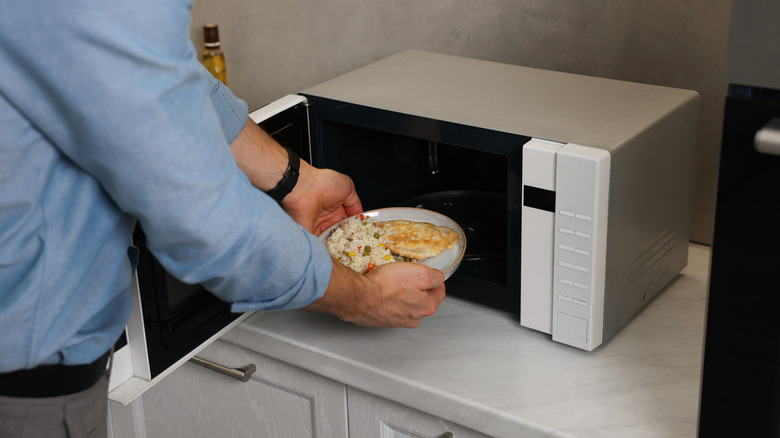
Even if nothing major goes wrong during your home's renovation and you can stay on site the entire time, you'll probably forgo several conveniences during the project. For example, you won't be able to cook in your dream kitchen while it's still being built, and you'll inevitably end up ordering take-out and visiting restaurants, which can get expensive. A half-renovated laundry room will acquaint you with the local laundromat, too. Also, you might need to keep your pets off-site because the noise was stressing them out. These costs all add up!
Even something as simple as keeping a microwave in another part of the house can reduce convenience costs. Buying a mini fridge, like the Sweetcrispy 3.2 Cu.Ft Mini Fridge with Freezer can also reduce your eating-out budget, as you'll still have somewhere to store a few things to microwave or cook on the outside grill, etc. While this might feel like you're living in a college dorm, kitchen renovations can take a few months. So if you don't want to blow your construction budget on food, you can make do.
Temporary storage for furniture and household items is often overlooked

Sometimes, renovators don't consider storage, especially if they are doing a whole-house renovation. If you are moving, it's important to update the new home before you move in, so you don't have to worry about storing a houseful of belongings during the project. However, if you are updating your forever home, you'll need to think about off-site storage while undertaking major work.
Storage units can cost anywhere from $50 to $250 per month, depending on size. You might be able to keep some of your belongings on site (in the garage, for example), but you should still factor in at least four to six months' worth of storage costs if you are doing a whole-house renovation. Planning for these charges in advance means that you won't blow your budget.
A higher cost of living in your new space

Something that you might not considered budgeting for is the higher cost of living that your new space might bring. That is, adding new appliances that you didn't have before (like a second kitchen in a finished basement, for example) or more square feet overall can raise monthly energy bills after the renovation is complete. Plus, your property taxes and even your homeowner's insurance can increase based on the new value of your home. It's important that you budget for these from the onset so you're not stuck with expenses you can't afford.
For example, homeowners' insurance is typically about $35 a month for each $100,000 your home is worth. While you can manage your bills with energy-efficient appliances during your renovation, more space will mean more energy used overall, leading to an increase. Don't be caught out by these hidden costs of your renovation and begin saving for them ahead of time!
Importation/shipping issues for materials can be unpredictable
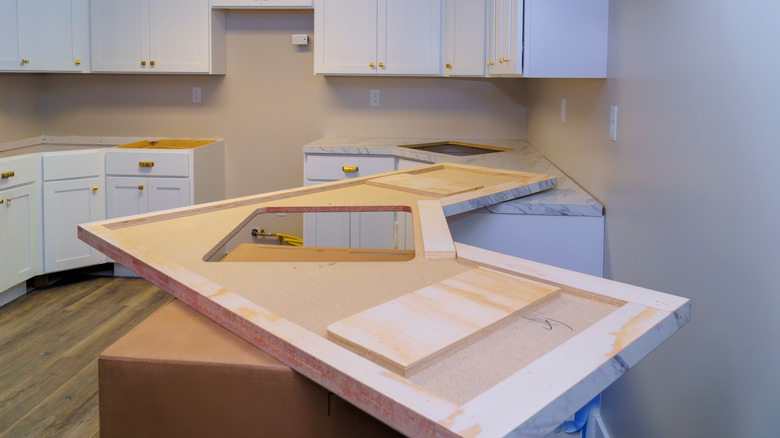
The timing of your renovation can be tricky, as shipping delays or materials on backorder can be a hidden cost that can really eat into your budget by blowing out your timeline. Each year, about 7% of all materials used in American construction come from overseas: Things like natural stone countertops, premium tile, and high-end fixtures. The unpredictabilities of international commerce mean that these items can often come with shipping fees, delays, unexpected tariffs, or additional labor costs for installation, too.
Before you import building materials from overseas, make sure you understand the regulations. For example, finished wood like lumber and furniture is typically okay, but if you bring in any raw wood that you plan to refine yourself, you will need a special permit. To avoid costly delays, also plan for materials like marble countertops from Italy to arrive well before installation. It's better to have them sitting around for a month, rather than waiting a month for them to arrive, all the while your other expenses are skyrocketing due to the delay.
Don't forget the clean-up process/debris removal
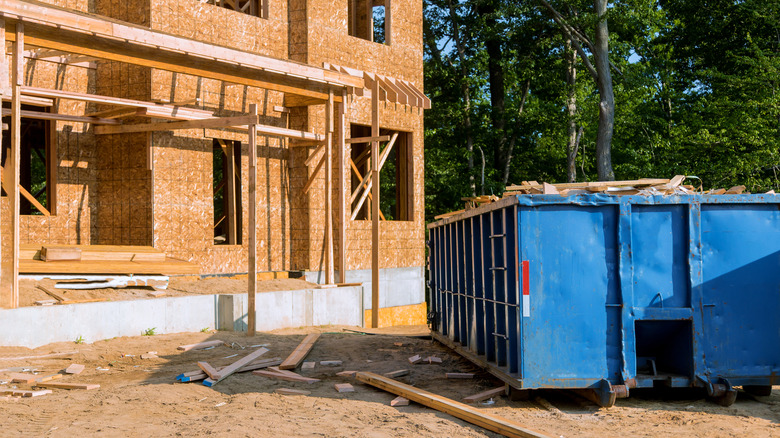
You can't just put piles of torn-out countertops and old furniture out for your trash man to take away on a regular Tuesday. Even if your local government allows you to schedule a heavy trash removal service, you will likely have too much debris for just one pickup, anyway. Dump fees, labor for the sorting and removal of demolition trash, and even the dumpster itself can be a lot more than you might expect.
On average, post-construction cleaning costs $477. While this might not seem like much, it's just enough that it can cause financial stress, especially because it pops up at the very end of the project. If you've already dealt with asbestos removal and shipping delays for your countertops, the last thing you want to do is shell out an unexpected amount to close out the project. Instead, if you already expected it and saved up, it won't be an issue.
Structural issues can surface once demolition begins
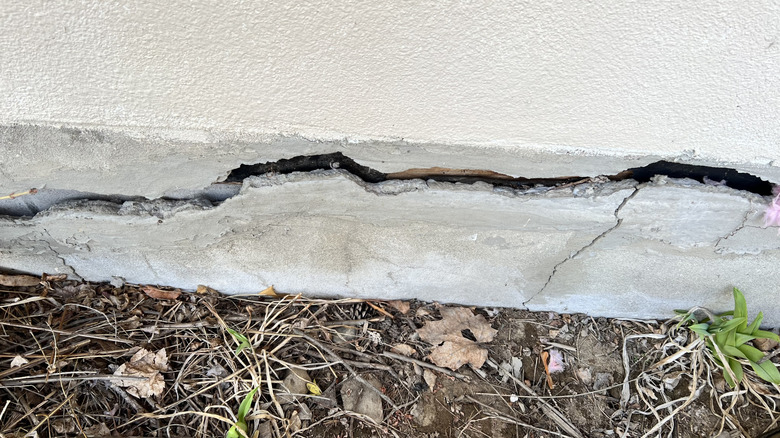
Nothing will blow your budget faster than discovering there are structural issues within your home during your renovation. For example, you might think knocking out a wall can be easy and quick ... only to discover it's load bearing or home to significant plumbing infrastructure. This can cause the price to jump from around $300 for a typical wall to more than $10,000 for a load bearing one. If you find any problems with the foundation (or any are caused due to sloppy contracting), you're looking at an easy $5,000 attached to your overall spend — but likely more.
Sometimes, you can't really avoid problems like this. It's one of the Murphy's Law situations of home construction. However, what you can do to protect yourself is to expect the unexpected. By padding your budget with a few thousand dollars, you will be better prepared for bad news.
Hidden water damage can require extensive repairs before work can continue
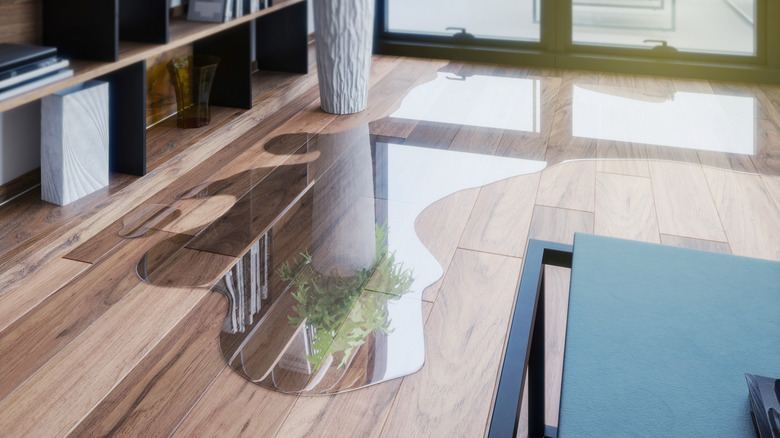
Slow leaks can reveal rotted framing, mold, or even compromised subfloors. You might not know these problems exist until you begin demolition. In some unfortunate cases, the water damage can occur as a result of your construction. These surprises frequently require expanding the scope of work, often to the tune of somewhere between $1,300 to $6,400.
These expenses come from mold remediation costs, structural reinforcement, and replacing insulation and drywall. This means you have to reorder supplies and wait things out while the repairs take place. Convenience costs, like eating out or staying away from home, can also pile up in the meantime. While you can't plan for moisture problems, your contingency fund will thank you for saving up for them, anyway.