

How Much Americans Can Expect To Spend When House Hunting In Other Countries

It's no wonder that, with the rise of remote work, everyone is wondering how much Americans can expect to spend when house hunting in other countries. Will it be cheaper than at home? Can you just show up and buy, or is it really a lot harder than it looks? The answer is, it depends on the country ... and how much you are willing to spend.
Plus, while price is one of the biggest factors when buying real estate abroad, there are still a lot of other details to be aware of — way more so than when purchasing stateside. Things like which banks will do business with foreigners, if any residency permits are required to close the sale, and even special taxes or location restrictions that are only applied to non-residents. If you want to live the most popular HGTV show in the USA (spoiler alert: it's "House Hunters International") and find a new place to live in the farthest-flung corners of the world, here is what to expect when purchasing in popular international markets.
Australia is an (expensive) beachy paradise
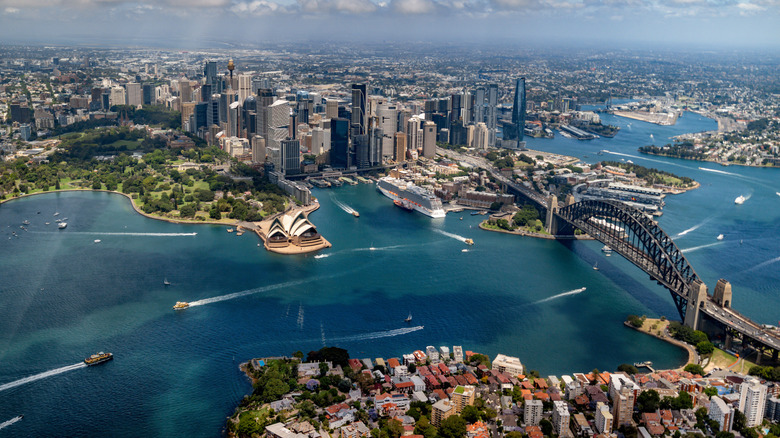
At times in Australia, there are restrictions on whether foreigners (who don't hold long-term working visas) can buy local property at all. However, even during periods when this is not the case, Americans can only buy certain types of properties in Australia, such as new builds (to live in or be redeveloped) or an empty lot that has been zoned for residential use. If you are not a citizen or don't hold permanent residency, you must apply for permission from the Australian Taxation Office (ATO) before you can start the process. This permission is called an exemption certificate. To prevent a stagnant housing market, the ATO also applies a vacancy fee to houses after purchase. This fee applies to properties that are vacant (not a private permanent residence, and also not available for rent by the public) for six months out of the year. If you do not have residency in Australia, this fee will likely be assessed to you, due to tourist visa stay limits.
Housing in Australia tends to be expensive, or at least comparable with the more competitive American markets. The median home price hovers above $1 million AUD, roughly $711,426 USD. Buying an apartment, or a unit as they are locally called, is slightly cheaper, depending on the region you purchase in. If you want to learn the untold truth of the Sydney Opera House, you might consider buying in the harbor city; however, the entire country is dotted with coastal towns with slightly lower costs of living.
Buying in Mexico allows Americans to stay close to home
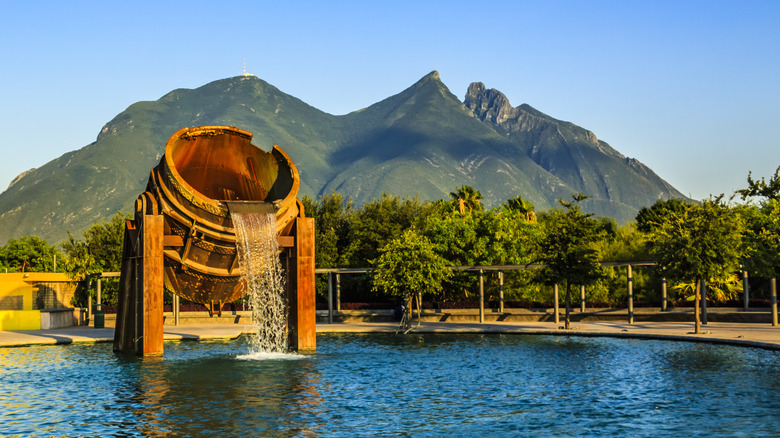
There is only one restriction that Americans (or any other foreigners) have when buying a property in Mexico, and that's not being allowed to purchase near the water or an international border. Article 27 of the Mexican Constitution defines these restricted buying zones as 100 kilometers (about 61 miles) near the border with the U.S., Guatemala, or Belize, or 50 kilometers (about 31 miles) from the ocean. These restrictions are likely in place for security, plus to keep prime real estate open for local residents and investors. However, it's possible to bypass these restrictions for a fee through something called a fideicomiso. This is a trust that allows you to purchase property through it, just like a local. These trusts cost roughly $1,000 USD to establish, plus about the same each year in fees to maintain.
The pricing of the Mexican housing market varies greatly, yet the average is roughly $177,781 USD. If you establish a fideicomiso, the country's hottest markets are open to you. Through these trusts, your options open up, like the touristy and beachy Puerto Vallarta, the slightly cheaper but still vibrant Mazatlán, or Durango, with its exceedingly pleasant weather. While places like Tulum are bustling with plenty to do, the prices there tend to reflect that, as the average price hovers slightly above $755,000 USD.
Canada has a similar market to the competitive areas of the States
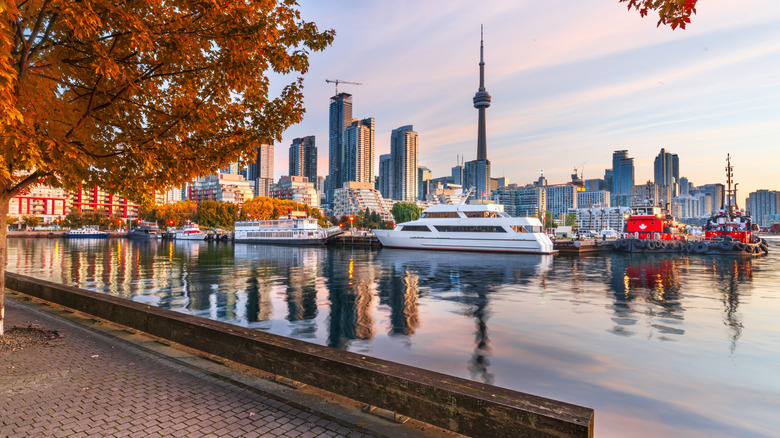
Americans can only buy property in Canada under very specific circumstances. Passed in 2022, the Prohibition on the Purchase of Residential Property by Non-Canadians Act is a temporary law that restricts the purchase of property in the country to Canadian citizens and permanent residents, as well as their spouses, or workers on the correct temporary visas (such as those living and working there through corporate sponsorship). There are a few exceptions, but they do not apply to most people. This act was passed to prevent massive amounts of foreign investment, as the housing market in Canada was already experiencing unprecedented growth in the larger markets of Vancouver, Toronto, etc. It is set to expire, but lawmakers are interested in extending it.
If you do fit the criteria to buy in Canada, the average house is around $650,000 CAD, or roughly $475,850 USD. Buying outside the major city centers will, of course, lower the overall property prices. For example, choosing to buy in New Brunswick instead of British Columbia will see house prices dip to an average of $329,400 CAD (or $240,971 USD) against the average of $925,346 CAD ($678,032 USD) in that region. Depending on what calls to you, the Rocky Mountains or the hustle of a major city, the price of the house will vary drastically.
Costa Rica is an affordable slice of paradise
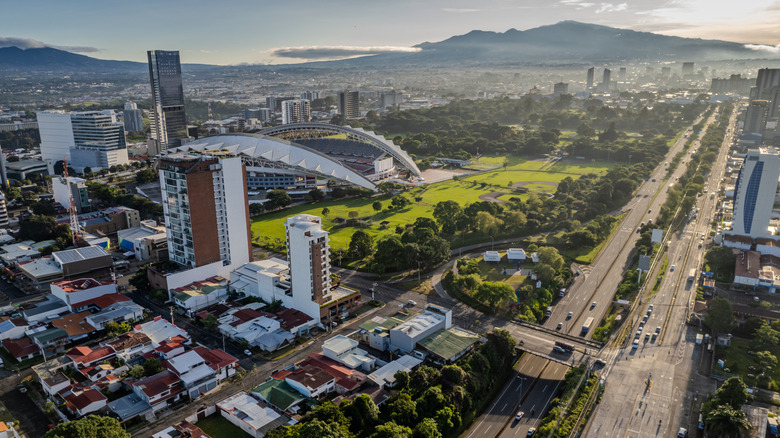
If you want to live the pura vida lifestyle, Costa Rica is a close-to-home choice that allows for Americans to stay at least six months out of the year without the need for further visas. Much like Mexico, US citizens can fully own property in Costa Rica without too much fuss — there are just limited beachfront "concession zones" that are only accessible to local buyers. This is called the Maritime Zone (Zona Maritimo Terrestre, or ZMT), but unlike Mexico, you can't bypass it with a special license. To buy other property, you will need to register for a tax file number (similar to having a Social Security number). And, although it's not required, it's encouraged to open a local bank account as well. The process of bidding on and securing a home in the country is similar to buying a house in the United States, such as using a real estate agent, transferring the title, etc.
The average house price in Costa Rica is roughly $330,000 USD because there is a high number of extremely expensive properties in the most popular beachy areas, which makes everything seem more expensive. However, for those purchasing in the city of Cartago or parts of the region of Alajuela, they would expect to pay anywhere between $95,000 and $130,000 USD for a decently sized condo.
New Zealand tends to keep property local, with one luxury exception
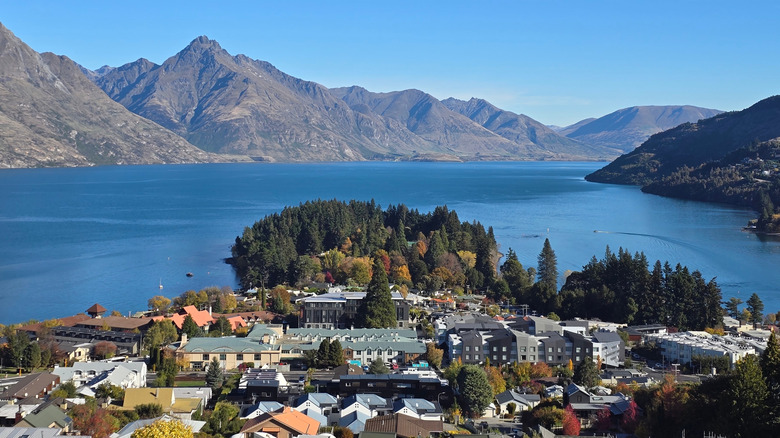
New Zealand has strict rules about foreign nationals purchasing local property. Typically, Americans can only buy property in New Zealand if they are immigrating there permanently or working with the correct temporary visas in place. The program has minimal exceptions. However, there is one important distinction. In 2025, New Zealand began a new program that allowed foreigners to purchase property in the country without roadblocks, as long as it was worth more than $5 million NZD (about $3 million USD). In addition to this, you don't pay any stamp duty when you buy or capital gains tax when you sell. Nor would your children pay an inheritance tax when it one day becomes theirs.
Most of the homes in the price range of this program tend to be in the Auckland area, the country's largest city. It has the hustle and bustle and plentiful amenities of any other modern business district. However, the gem of the country's South Island, Queenstown, also has qualifying homes. There, you will be treated to stunning views of the Remarkables mountain range and the lapping waters of Lake Wakatipu. If, however, your visa situation allows you to have purchasing power in the country without the high entry price, you can still expect to spend $910,285 NZD, or approximately $545,179 USD.
Sunny Portugal offers many visa options to make the move and a shifting market
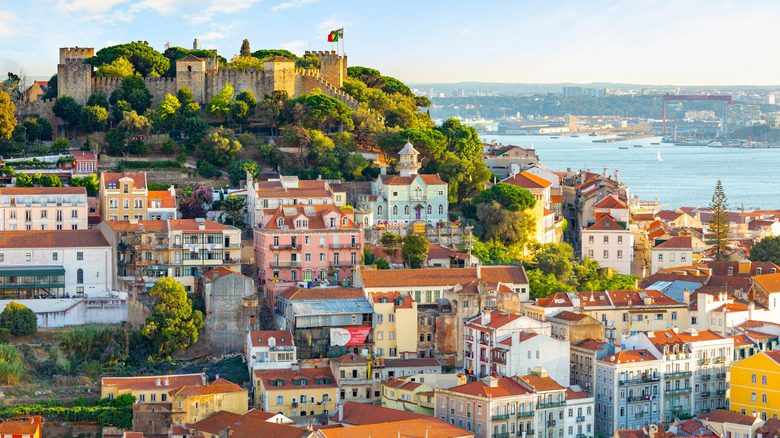
There are no restrictions on foreigners buying homes in Portugal, although there is still a specific tax implication to follow. You must apply for a Portuguese Tax Identification Number (Número de Identificação Fiscal or NIF), which you need for things like taking out a mortgage or having a bank account in the country. While buying is mostly unrestricted in the country, it does not guarantee residency. However, Portugal offers many different visas, such as digital nomad and passive income options, which make living there year-round in your new home a possibility. There is even a shortcut to permanent residency, known as the golden visa, which allows a clear pathway to residency for a €200,000 ($236,156 USD) donation, making it popular with retirees. These visa opportunities are one of the reasons Portugal is the best country for Americans moving abroad.
The real estate market in Portugal is becoming extremely competitive, mostly because of the influx of foreign property buyers, of which over half are from America. In 2025, the median house price reached €2,111 per square meter, which is roughly $2,493 USD. In popular locations, like Lisbon and Porto, house prices are now twice what they were five years ago. However, Portugal has many offers outside these major cities, like the southern coastal region of the Algarve or the quieter region of the Azores.
Italy offers a wide range of choices, depending on your budget,
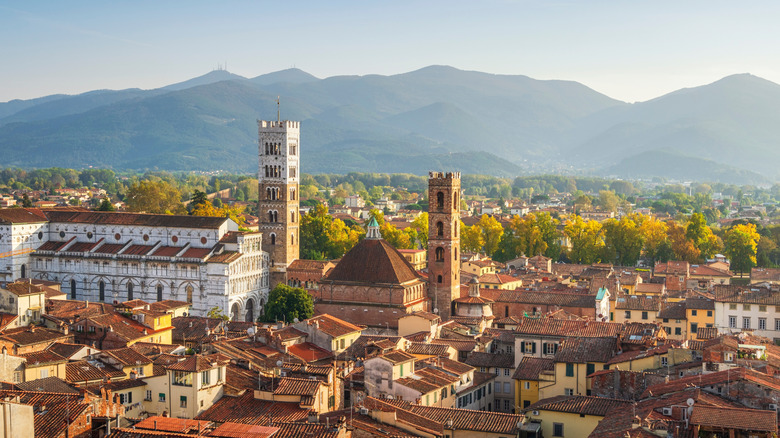
If you've been looking at the best Airbnbs in Venice, Italy, and wondering if you could just go ahead and live there yourself ... You can! To buy property in Italy as an American, you need to register for an Italian tax code, called a Codice Fiscale, before you are allowed to do anything related to buying property. You need the code to sign a real estate contract, open an Italian bank account if you wish to use one for your mortgage, activate utilities at your home, etc. However, you don't need any sort of citizenship or residency permit to own property in the country. Yet, if you plan to reside in the home for more than three months at a time, or have any plans to work in Italy, you must obtain the correct visas and permits.
The market in Italy can be expensive, depending on where you buy. For example, the recent average in the Alpine Trentino Alto Adige region was roughly €3,701 per square meter, which is $4,370 USD. In Calabria (the very tip of Italy's boot), it is a much less expensive €958 per square meter, or roughly $1,131 USD. The country's bustling metropolises of Rome and Milan are also options for more urban options, but you can also always buy a countryside estate and learn how to decorate your home like the movie "Under the Tuscan Sun."
Guatemala offers competitive pricing and stunning vistas
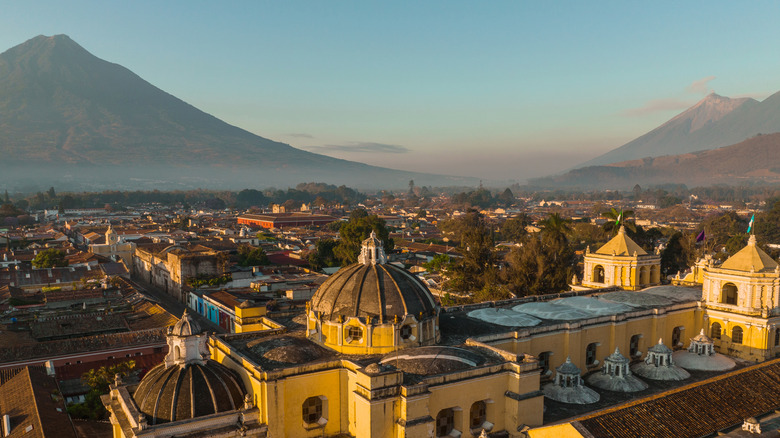
Americans can buy anywhere in the country, with the exceptions outlined in Articles 121 and 123 of the Constitution of Guatemala. This prohibits foreigners from buying within 15 kilometers of the borders with Belize, Honduras, El Salvador, or Mexico, three kilometers of the ocean, or directly next to other water, like any rivers or lakes. Other than these restrictions, purchasing a home in Guatemala is similar to buying a home in the States. However, the main difference is that you work with a notary instead of an attorney, who assists in checking the title of the property in the Registro General de la Propiedad, then helps you move the property into your name after the purchase.
The average purchase price in Guatemala is roughly $281,000 USD. However, the amount Americans can expect to spend when house hunting here will vary greatly based on the location they choose. For example, in prime markets like Guatemala City and its suburbs, you will pay more. However, for a more laid-back lifestyle, consider the lush gardens of Antigua or the beachy vibes of Escuintla. The foreign property restrictions only keep you about two miles away from the beach, making locations like this well worth it.
Ireland makes it easy to buy with prices similar to some American markets
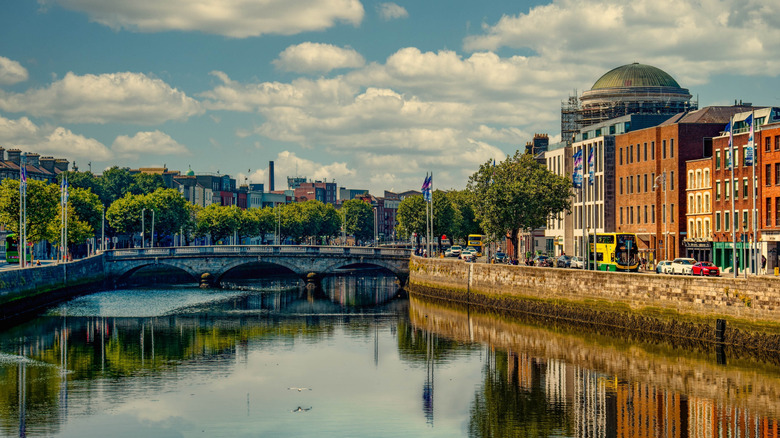
Americans can freely buy, own, and sell residential or commercial property in Ireland. There aren't any residency or citizenship requirements for property ownership in the country; however, whether or not you are able to live in Ireland full-time depends on your individual visa status. Ireland has a generous citizenship by descent program, as well as a retire in Ireland option, as long as your yearly income (from Social Security, personal investments, etc.) is greater than €50,000 per year ($58,634 USD) and you have savings equal to at least the price of a home in the area where you live. Ireland has a buyer's tax known as stamp duty, as well as local property taxes due annually as well.
The current price of a home in the country is on average €426,000, which is roughly $499,562 USD. For most Americans in competitive coastal markets, these prices will seem familiar. Mortgage interest rates are also low, at around 3% to 4% – lower than the current average in America of roughly 6%. Major city centers include Dublin and Cork, but the rolling green hills of the Emerald Isle also offer plenty of options for those who prefer village living.
Panama offers inexpensive prices and tax breaks
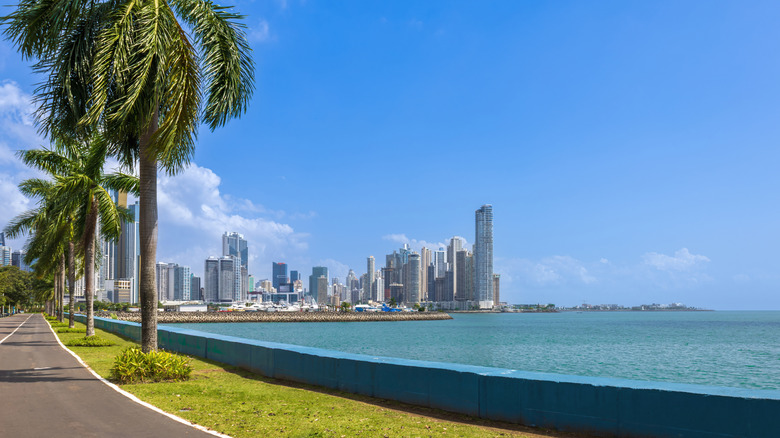
It is relatively easy for Americans to buy property in the Central American country of Panama. Not only can foreigners buy without restrictions, but the country also has several visa options to make long-term living easy. The most popular option is the Pensionado Visa, which is geared towards retired people. Essentially, you must have a notarized letter declaring that you have an income of at least $1,000 USD a month, plus $250 USD for anyone who will be coming along that depends on you, like a spouse or child. This visa, plus a Panamanian bank account, means local life will be easy. Plus, the country doesn't tax foreign-earned income, keeping the cost of living low.
The average house price in Panama is about $1,333 USD per square meter, while an apartment is typically going to be around $2,055 per square meter. The higher apartment prices are due to their location in more desirable urban areas, like Panama City — in buildings with amenities. However, other popular locations for buyers include Boquete, which is surrounded by mountains and lush rainforest, as well as coastal Coronado.
English prices are low if you live in the countryside
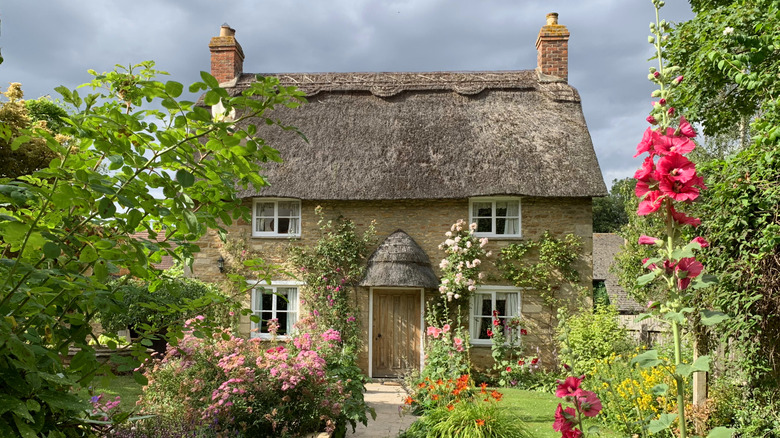
Americans can legally buy property in England without restrictions. While no visa is required for the purchase, owning property does not grant the right to live in the UK. You still have to have the correct sponsorship, be it through family or work, to gain residency in the Kingdom, including England. While the process of buying a home in England is similar to that of America, you might find it harder to obtain a mortgage if you are not already a resident. Luckily, specialist brokers exist who can help you navigate the system. If you want to use the property as a holiday house, there is a special mortgage in the U.K. known as a holiday let mortgage.
As with the United States, house prices in England vary greatly depending on where you prefer to live. London, the nation's capital and most expensive city, has average listings north of £556,454, which is $745,832 USD, while the least expensive area of North East England has average prices as low as £161,770, which is $216,825 USD. If you're keen on the country life, check out these 30 English cottage design ideas that radiate charm.