

Not Just Plain Cement: The Sustainable Addition That Boosts Concrete Durability
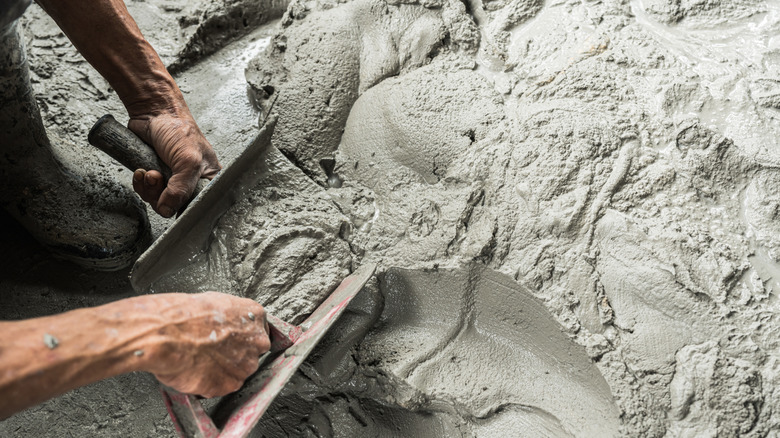
If you're about to embark on a home renovation project to transform your outdoor spaces, whether that be to build a stylish outdoor patio on a budget or to create a statement feature in your yard, if it involves concrete, you might not think twice about what mix to get. Most people will head to their local hardware store or major retailer and place a few bags of the brands they know best into their cart. All that's left to do is to mix the contents up with water and use as needed. There is, however, a more environmentally friendly approach to a DIY project you can take when it comes to how you mix your concrete. It's not a new technological breakthrough, but rather one that is a byproduct created from smelting iron. It's called blast furnace slag (or Ground Granulated Blast-Furnace Slag: GGBFS) and, outside of being a greener option, in the long run will also make your concrete stronger.
Blast furnace slag is one of the most commonly used additions to concrete mixes to reduce the environmental impacts of building. If you're unsure about messing with tried-and-tested bags from your local store, there's nothing wrong with stepping outside the comfort zone with this alternative concrete product. Mixing this eco-friendly product to create concrete isn't a complicated exercise, with all that's really required is to replace a percentage of the cement powder with blast furnace slag. The percentage of cement that you replace depends on how you plan to use the concrete. Where can you buy blast furnace slag and exactly what percentage of cement mix should you be replacing?
Using blast furnace slag in your concrete mix
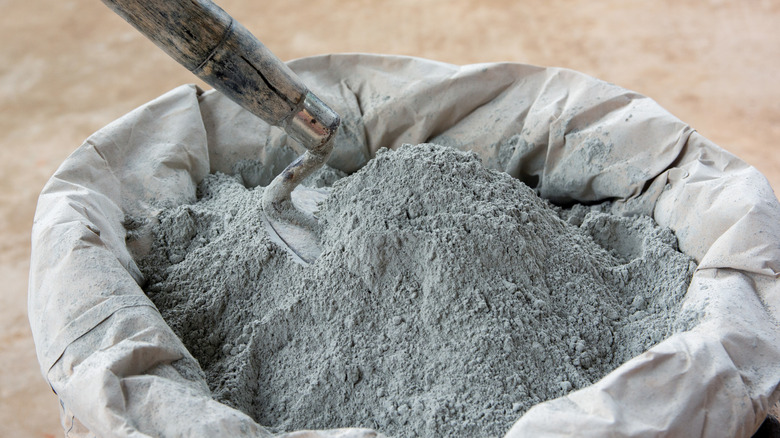
There's no need to knock on your local ironworks, bags in hand, asking for leftover blast furnace slag, but it's also not as simple as heading to your local retailer to pick up a bag. In the U.S., suppliers like Heidelberg Materials, Amrize, Skyway Slag Cement, and others are a good place to start. You can also head to www.slagcement.org to find a blast furnace slag supplier near you. Make sure that you choose one that comes with the ASTM C989 standard, which is considered the gold standard for legal and code-compliant slag cement for use in concrete and mortars. You also don't have to pay a lot more than you would for cement mix, with blast furnace slag actually being more affordable in many cases. Make sure that you choose the powder option so that the mixing process is as simple as possible.
As for the mix, you'll look to replace between 20% and 80% of the cement mix, depending on the strength of the concrete you need. For projects like paving upgrades or building walls and columns, you'll be working between 25% and 50% slag, with the optimum range for strength being between 40% and 50%. It's all about workability and strength, where you'll need to consider that blast furnace slag takes longer than standard cement to reach full strength. To get the mix right, we recommend talking to your local builder or an experienced team member from your neighborhood hardware store. When adding water, make sure to stay within the ratio of about 3 to 4½ cups of water for every 10 cups of cement.
How does blast furnace slag make concrete stronger?
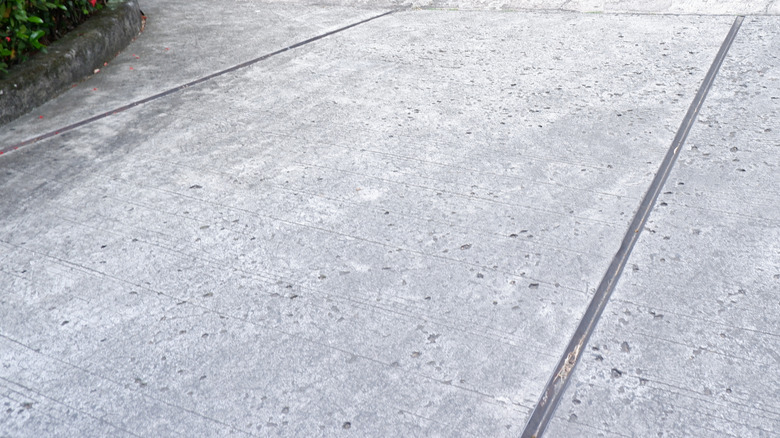
The main difference between standard cement and blast furnace slag is that the latter hits its peak strength later on. Think of it as the chemical long game, which results in a denser and tougher concrete. This one, which is no surprise really, is all about the science. Traditional Portland cement, the type you'll get from your local hardware store, reacts quicker with water, which means that it reaches full strength early on. When it does this, it also creates microscopic voids, which can create weaknesses in the material. With the replacement of cement with an eco-friendly alternative like blast furnace slag, the entire process is slowed down. The result is that the concrete is made more resistant to environmental conditions, improving the material's characteristics like corrosion resistance, durability, and strength.
How much more resistant the concrete becomes against these factors really depends on the ratio you are working with, as well as the specific chemical make-up of the slag you're using. A few other benefits to using slag is that it reduces bleeding in fresh concrete (preventing water from separating from the mix) and reduces the water permeability of hardened concrete. So, if you're looking to go greener with your cement mix and have a far stronger product at the end of the day, you can't go wrong with adding blast furnace slag to your shopping list. Just remember to let the concrete cure for much longer if you're adding the slag in.