

12 Flowers You Should Always Deadhead (And 4 That Should Be Left Alone)
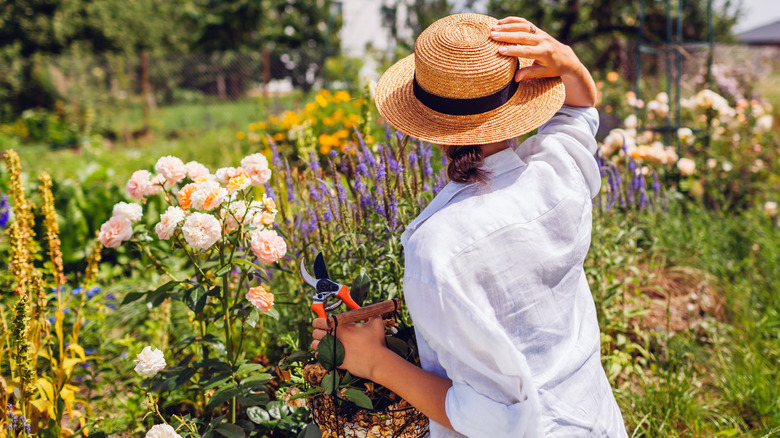
You already know you should deadhead flowering plants to keep them blooming longer. In fact, deadheading shouldn't be a universal practice. Working out which species need deadheading and which react badly to it can be as challenging as keeping your flower beds healthy all season long. For example, marigolds, snapdragons, geraniums, coreopsis, and daylilies — among many others — will reward you with more blooms if you pluck the wilted ones. Meanwhile, sedums simply don't have time to rebloom, making deadheading a useless endeavor, while hydrangeas may not flower next year if you give them the snip. In other words, before you get your pruners out, you need to learn which plants to tackle and which to leave well alone.
The primary purpose of a flower, at least from a plant's perspective, is to produce seeds. Once that objective has been accomplished, a plant will stop producing flowers. Snipping the spent blooms interrupts the seed-making process, tricking the plant into producing more flowers. Some flowering perennials, such as daylilies, won't rebloom. In this case, deadheading the spent flowers diverts energy to the roots and keeps your garden tidy. While it's possible to deadhead your flowers too much, cutting a flowering plant back by a few inches is easier and faster than removing individual blossoms. Just remember to remove no more than a third of the plant. Some flowering plants shouldn't be deadheaded because they provide cold-season forage for wildlife or add interesting texture to a winter garden.
Zinnias
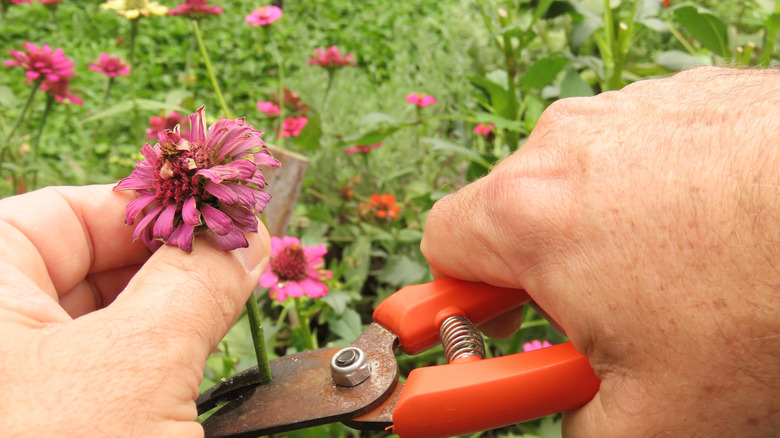
Zinnias are the poster child for long-lasting blooms that require deadheading. One flower can last seven to 10 days in a vase and at least as long on the plant. When spent flowers are left in the garden, however, the plant will dedicate too much energy to seed-making instead of producing blooms. Cut off the old flowers before they're done blooming — that is, even if they're still colorful — to keep your plants blooming abundantly and reduce top-heavy growth. As always, there's an exception to this rule. The award-winning zinnia variety that's perfect for low-maintenance gardens doesn't need deadheading.
Marigolds
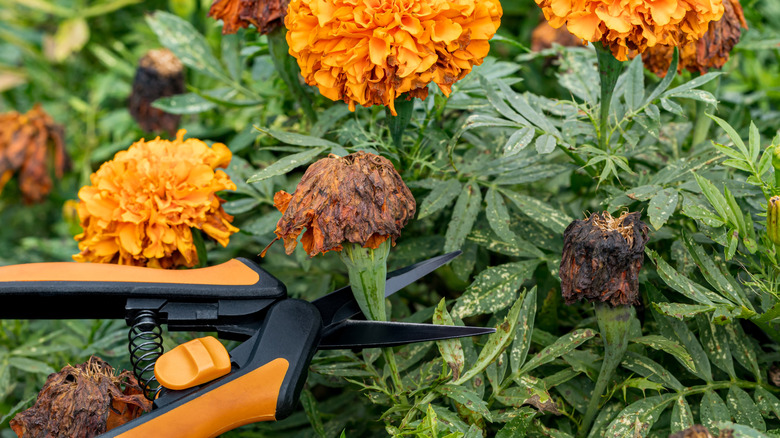
Unlike zinnias, which slow down flower production if they're not deadheaded, many marigold varieties are such vigorous growers that they will keep pushing out blooms even among masses of spent flowers. The main reason for deadheading marigolds is simply to keep them looking nice, and aesthetics are always worth taking a few minutes for, right? On large-flowering varieties, deadheading also stops the heavy dead blooms — 3- to 6-inch flowers — from snapping their stems. You can cut your entire plant back by a third in the middle of summer to keep it compact. This is particularly important for container-grown marigolds.
Cosmos
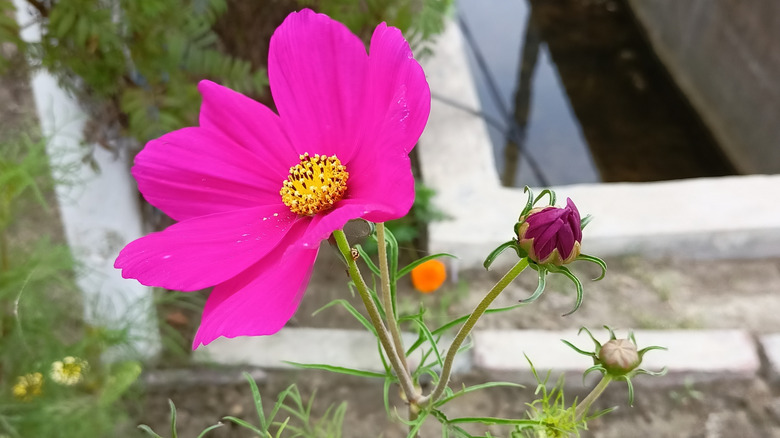
Gardeners grow cosmos for its masses of flowers that appear on the plant from early summer through to the first fall frost. One of the main reasons to deadhead cosmos is that it self-seeds and can become weedy. If you only have a few cosmos plants and enjoy pruning, cut individual flowers back to the main stem. However, cosmos also enjoys a trim. Cut the entire plant back to 12 to 18 inches above the ground in midsummer, and it'll be reblooming in a month. If you're worried about weediness, give cosmos a garden bed of its own.
Dahlias
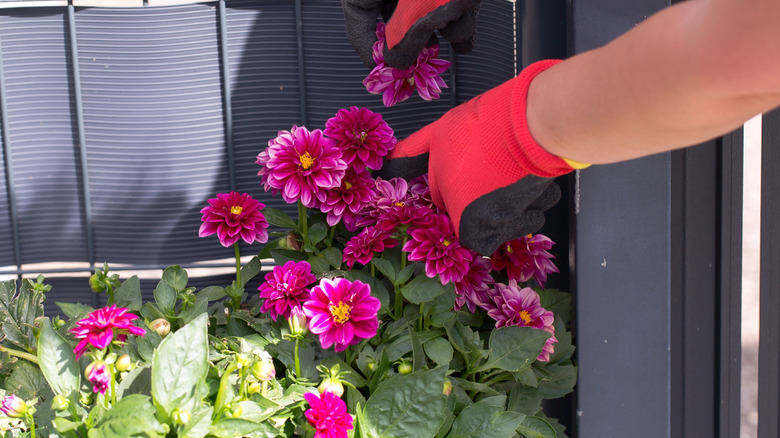
Among everything you need to know before planting dahlias, staking them early is vital — some varieties have flowers as large as dinner plates. Spent dahlia flowers turn into pointed cones that look deceptively similar to flower buds. However, new dahlia buds are round and firm, so they're easier to distinguish from spent flowers than you might expect. Double-check what you're dealing with before you prune off anything and make the cut at the base of the bloom. Dahlias have a long flowering season. If you keep cutting them for vases, they will keep producing blooms until the first frost.
Geraniums
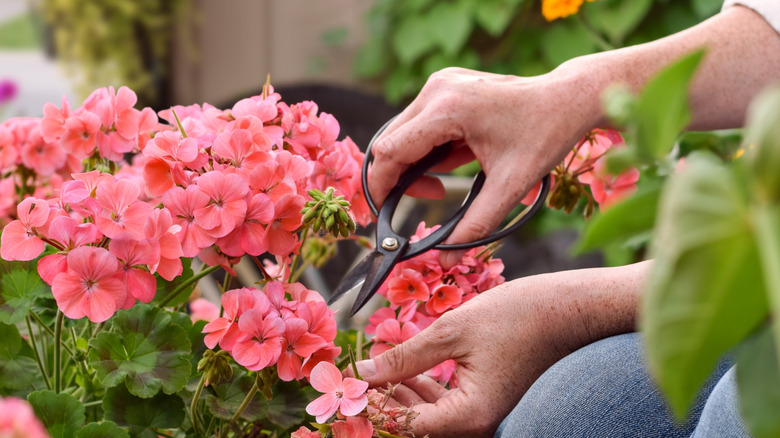
Geraniums are great plants for beginner gardeners. It's really easy to tell the difference between new and spent flowers. Deciding how and when to deadhead your geraniums depends on your tolerance for mess because, essentially, you can prune them anytime. Follow the flower head down to the first node, then snap the flower stalk off at that point by pulling it sideways. It should come off cleanly with your gloved fingers, but you can also use scissors or pruners if you prefer. If your geraniums are planted in hanging baskets, cut them back by a third in midsummer.
Snapdragons
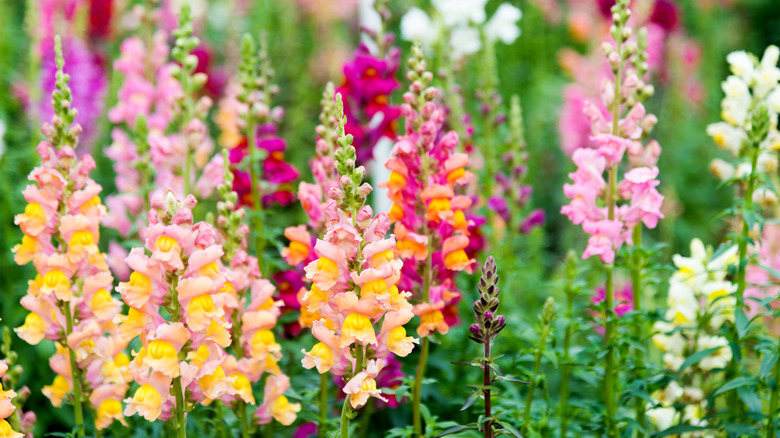
Snapdragons produce tall stalks of flowers that can quickly get spindly if left alone. While the lower part of the flower stalk is producing seeds, the top portion is producing new blooms. Wait until the stem has mostly finished flowering before cutting it back. You can cut stems back almost to the ground, leaving about five or six nodes above the base of the plant. Cutting back snapdragon flower stems also reduces their weight — top-heavy snapdragons can fall over. Snapdragon flowering is highly regional. If a plant blooms in spring and fall, it can be cut back in summer.
Coreopsis
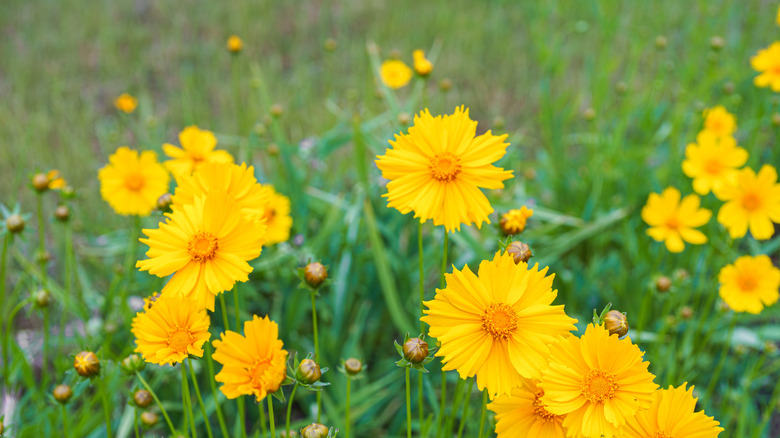
Both annual and perennial coreopsis benefit from deadheading. Annual coreopsis (Coreopsis tinctoria), a plains coreopsis that blooms until the first frost, needs deadheading for reblooming, but also to keep it looking tidy and prevent it from self-seeding all over your garden. Perennial coreopsis plants, such as Coreopsis grandiflora or Anacis verticillata, are also among the flowering plants you should always deadhead for maximum blooms. You can snip off individual spent blooms at least once a week or shear your plants back by up to a third in the middle of summer. Either way, expect abundant reblooming.
Gaillardias
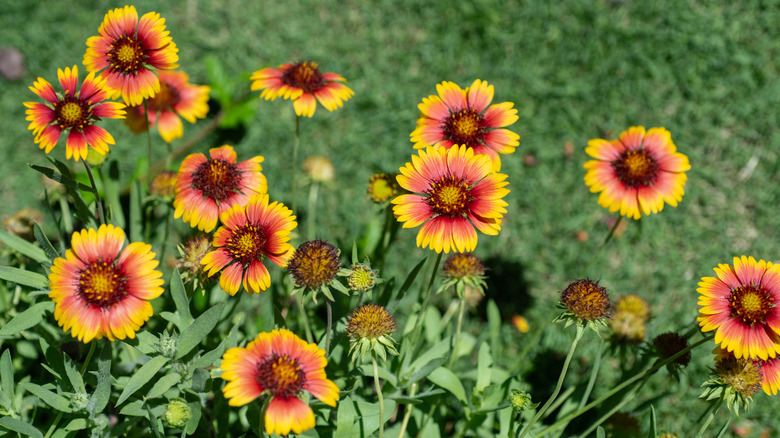
Plants in the Gaillardia genus bloom without deadheading, but pruning improves longevity. In your garden, you'll most likely be cutting back Gaillardia x grandiflora hybrid cultivars. Like coreopsis, you can cut the entire plant right back to trigger reblooming. Since gaillardia are short-lived perennials that only last a couple of years in a garden, giving them a good haircut is the best way to get the most flowers. What's more, cutting the plants back in late summer can increase their chances of surviving the winter. The spent flowers are easy to spot — they resemble fuzzy balls.
Peonies
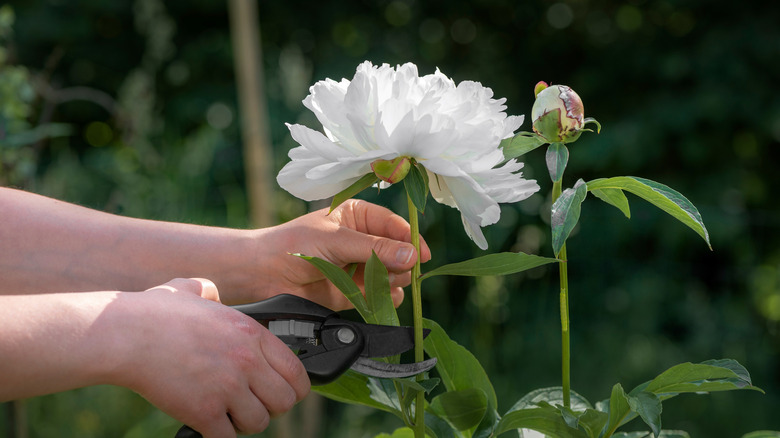
Peonies (Paeonia spp.) only bloom once per season, but they still need to be deadheaded to remove the spent flowers. If you leave peony flowers on the stalk, the plant puts all its energy into producing a fat, leathery seedpod instead of a healthy root system. The spent flowers and debris should also be removed to reduce the spread of botrytis, a fungal disease that attacks the leaves and flower buds of peonies. If you're looking for the perfect companion plant to hide peonies' bare legs after your plants are done blooming, lady's mantle (Alchemilla mollis) offers up some beautiful foliage.
Daylilies
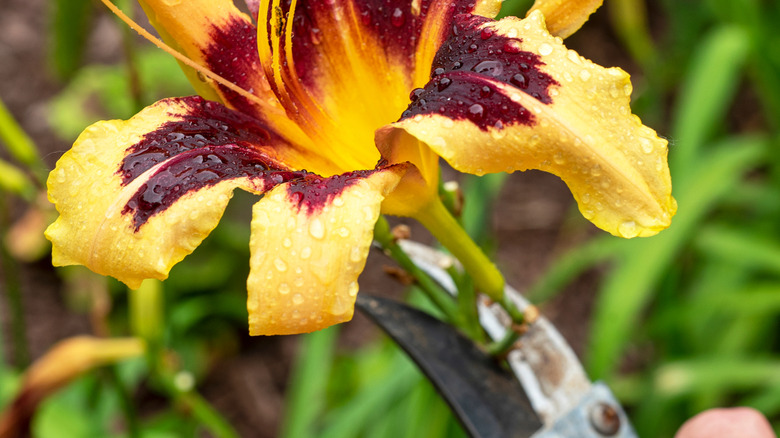
Daylilies (Hemerocallis spp.) will produce seedpods if they're not deadheaded. As mentioned, when plants produce seeds, they don't put any energy into developing healthy roots and shoots for future seasons. If you want to deadhead daylilies for nonstop blooms, don't do it every day. Early-, mid-, or late-season daylily varieties bloom for several weeks at different times of the year, with a single bloom lasting just a day. It's easiest to wait until your daylilies have finished flowering, then cut back the entire patch all at once. Alternatively, you can snap spent flowers off the plants with your fingers.
Foxgloves
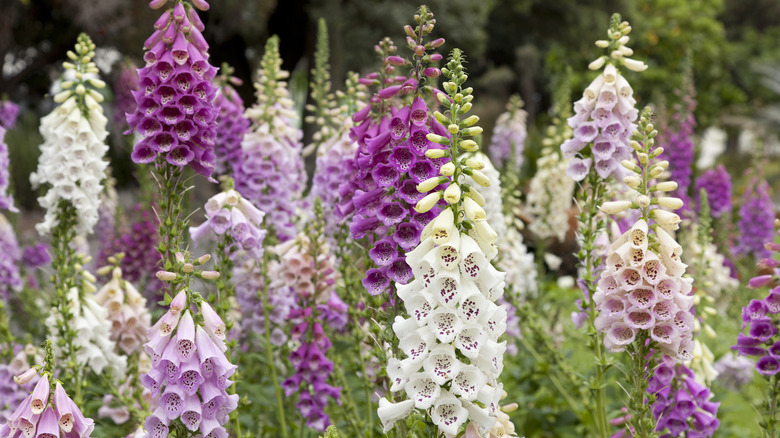
Like snapdragons, foxgloves (Digitalis purpurea) have tall flower stalks. It can sometimes be hard to tell when it's time to deadhead these classic cottage garden plants. Foxgloves are biennial and flower in their second year. Wait until your plants have almost finished flowering to deadhead them. The main reason to deadhead foxgloves is that they can get weedy if allowed to go to seed. Plus, tall stalks filled with dead blooms aren't the most attractive sight. Foxgloves are highly toxic to humans, which gives gardeners even more of a reason to carefully limit their spread.
Repeat-blooming roses
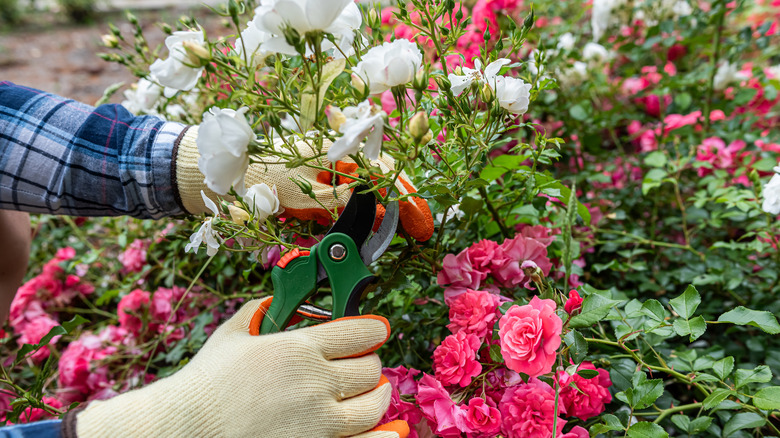
Deadheading your roses (Rosa spp.) pays off if you're growing repeat bloomers, like hybrid tea roses, shrub roses, floribunda roses, and grandiflora roses. When you're deadheading these shrubs, trace back from the spent flower to the first cluster of five or seven leaflets. Then make your cut just above an outward-facing bud. You can also pinch off or prune individual blooms in a cluster or simply wait for the petals to fall off. Once an entire cluster is full of spent blooms, clip it back to the nearest five-leaflet node to encourage another flush of flowers.
Don't deadhead self-cleaning roses
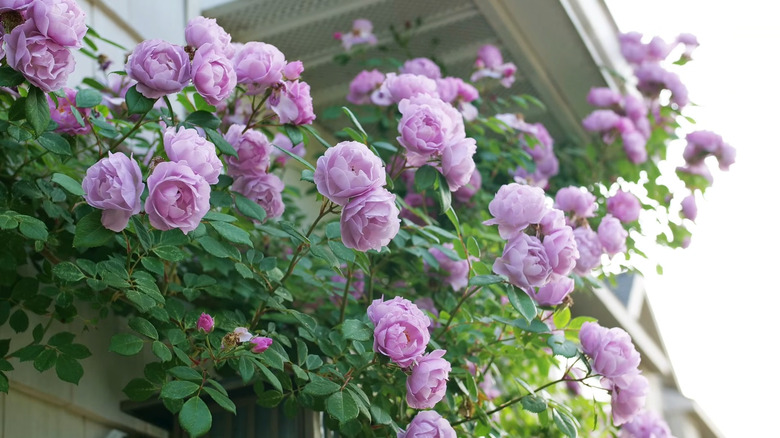
While many people automatically think of roses when the conversation turns to deadheading, not all roses need to be deadheaded. Some varieties are self-cleaning and never need their spent flowers removed. For example, Rise Up series cultivar 'Lilac Days' (Rosa 'ChewLilacdays') is a disease-resistant rose that grows happily as a shrub or climber, Proven Winners' 2026 Rose of the Year, and a self-cleaning mini climbing rose. Also, rugosa roses, which are grown for their rose hips, shouldn't be deadheaded — and thank goodness, because the stems are covered in thorns.
Don't deadhead hydrangeas
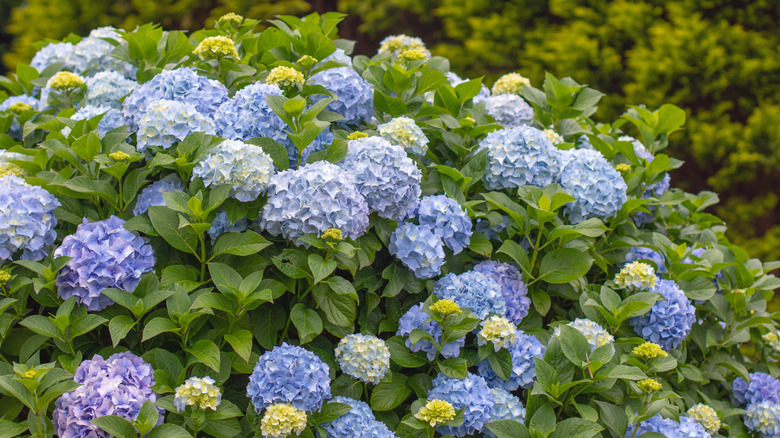
Hydrangeas (Hydrangea spp.) are another flowering shrub you don't want to deadhead, but for different reasons from self-cleaning roses. If you're growing bigleaf and oakleaf hydrangeas in the garden, cutting spent flower heads could cost you next year's blooms. These hydrangea types form next year's flower buds on old wood, unlike panicle and smooth hydrangeas, which bloom on new wood. Bigleaf and oakleaf hydrangeas should be trimmed after they've bloomed but before they set buds in late summer. If you're not sure which type you have, leave them alone. The dried flower heads add winter texture.
Don't deadhead coneflowers
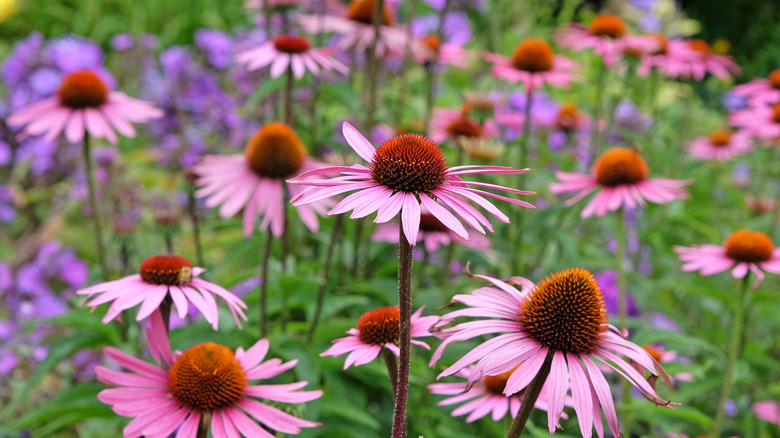
There's really no strict rule about whether to deadhead purple coneflowers (Echinacea purpurea) or not — unlikesome flowering plants, such as hydrangeas. Taking to them with your pruners certainly won't harm your chances of getting more flowers next year. In fact, many gardeners consider them plants to deadhead in August for a fall garden full of extra blooms. Still, once you've enjoyed the flowers for the growing season, you can leave the spent coneflower blooms on the plant to develop into seedheads. Why? They're an excellent source of food for birds like goldfinches in winter.
Don't deadhead sedum

One of the last plants to flower in fall is 'Autumn Joy' sedum (Hylotelephium spectabile 'Autumn Joy'). It starts flowering in late August or early September and finishes about six weeks later. It never needs deadheading since there's no time for a second bloom. Instead, leave the flowers on the plant for winter color, texture, and food for birds. However, don't forget that the garden task your sedum needs in May is pruning to keep the plant compact. Then don't wield your shears again — at least where sedum is concerned — until late winter or early spring.