

September Is The Right Time To Test Your Soil, But Hold Off On Adding These Nutrients
We may receive a commission on purchases made from links.
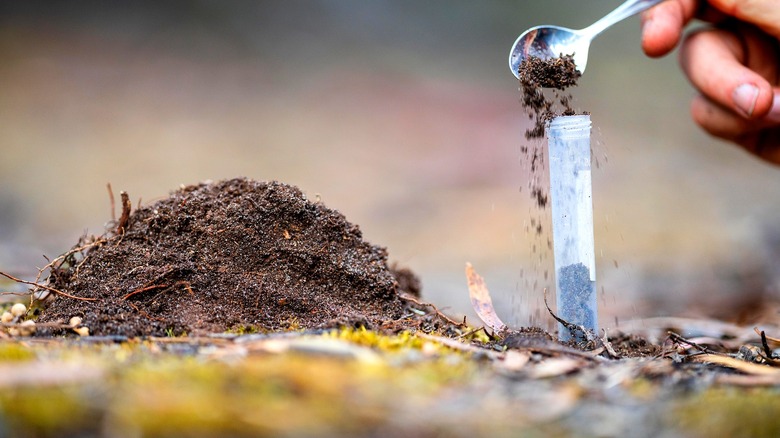
While you're out in the garden this September doing some of those essential fall tasks, you might consider doing a soil test at the same time. This will allow you to work out whether your soil is low in certain nutrients and help you better prepare for next year's growing season. You could either use a home-based soil testing kit that allows you to get your soil results straightaway, like the Luster Leaf Rapitest, or use the more sophisticated MySoil test kit, which requires you to send the soil sample into a laboratory to get more accurate results.
The test results will tell you what nutrients you may need to add to your soil, as well as what the soil's current pH level is. This is quite important to know at this time of year because soil acidity or alkalinity usually takes a few months to adjust and correct. However, if you find that your soil is depleted of nitrogen or potassium, it's best to wait until spring to amend your soil with these essentials.
Waiting until spring will keep the nutrients from leaching out of the soil during the colder months, and stop you from wasting your money unnecessarily. At this time, it's also a good idea to familiarize yourself with the best ways to amend soil after a cold winter, so you'll know what to do when the time comes.
Amending your soil at the right time
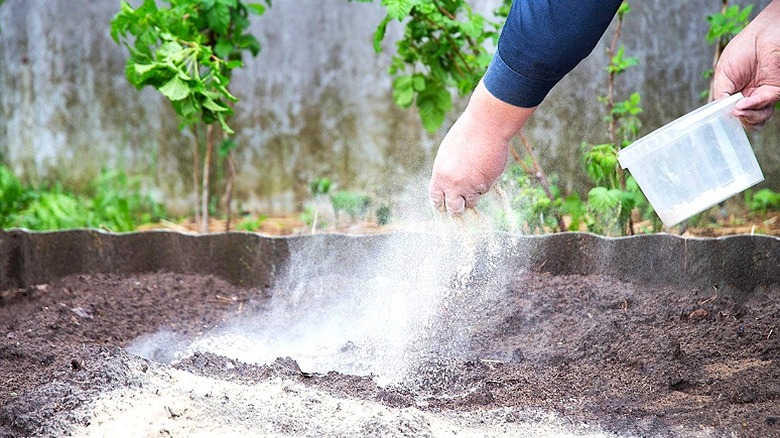
With regard to the soil's pH level, if it turns out yours is acidic, you can raise the pH level by adding agricultural limestone; this additive takes a bit of time to work, so consider doing this in the fall. If your soil test shows your soil is alkaline, however, then you can lower or neutralize the pH by adding elemental sulfur. Another soil amendment you might consider adding at this time of year is some well-aged compost; this will help your soil if it's found to be lacking in organic matter or phosphorus. Phosphorus helps plants to fruit, as well as strengthen their roots, but it's also slow-acting, which means adding it before spring will give it time to build up in the soil.
As for nitrogen and potassium, as mentioned, it's not necessary to add these to your soil in the fall, unless you plan on growing some cool-season crops like kale or Swiss chard. Specifically, in nitrogen's case, this nutrient is "mobile," which means it won't stay in place once water is introduced. If you add this to your soil in the fall for spring, by the time the growing season arrives, the nutrient may have been washed out of the soil. This nutrient shouldn't be added until there are plants in place to use it, so the best time to apply nitrogen fertilizer to grow thriving leafy greens is just before they are planted. Which is why if you're growing fall crops, it's fine to add nitrogen to your soil, as those plants are going to need it.
The same can be said for potassium. While potassium isn't mobile and promotes healthy plants, it's not necessary to add this nutrient in the fall unless you're planting those cool-season crops. Potassium isn't usually required in large quantities except for when plants are fruiting, so hold off on adding it to the soil until spring if your test shows a deficiency and you're giving your soil a rest over winter.