

Metal Or Plastic: How To Choose The Best Paint Tray For Your Project

If you're planning to paint your home like a professional, you probably already have a list of high-end rollers, brushes, and other essentials for the job. Although they can get pricey, using these tools and avoiding budget-priced, low-quality paints usually ensures a smooth coat. But the one key ingredient you may not have given much thought to is the paint tray and which material you should choose: metal or plastic. The best fit depends on your preferences and the project. Many metal and plastic trays are available, each offering slightly different benefits.
In general, a paint tray provides a space to hold the paint and is usually wide enough to accommodate a roller. It uses ridges on the interior bottom of the tray to pull excess liquid off the roller and direct it back into the main reservoir. The primary difference between metal and plastic paint trays is their reusability. A sturdy metal unit is typically made to be used multiple times, so it's a better choice for someone who paints regularly. If you want to simplify a quick, one-room job and just throw everything away afterward, a thin, flimsy plastic tray may be the better choice.
Reasons why you may want to purchase a metal paint tray
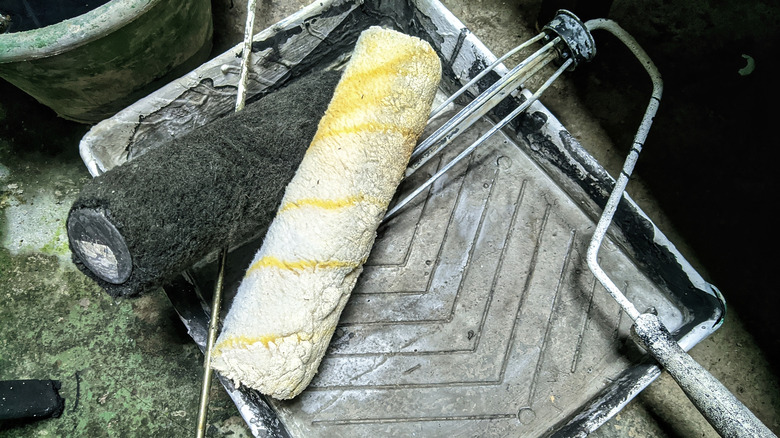
When you want a reusable paint tray for your next big DIY project, you'll probably want to invest in a metal tray. As long as you clean it regularly, you can use it for multi-day painting projects and have it available for future DIY jobs (which is better than regularly throwing plastic trays into a landfill). If you frequently use solvent-based paints, the metal will resist corrosion that may ruin cheaper tray materials. If you need to switch paint colors, you can use cheap plastic liners to cover the metal, and when you're finished, throw the liner in the garbage and put a new one in the tray. Many manufacturers make plastic liners specifically for metal trays, ensuring a snug fit.
If you plan to carry the tray from room to room or climb up and down a ladder with it attached, you'll want a sturdy material that won't collapse under the weight of the paint, which metal provides. Many metal designs have larger reservoirs that allow you to work longer before having to refill it with more paint from the can. The metal is thick enough to maintain its shape without twisting, even when it holds a lot of paint. Plus, its sturdiness makes it easier to apply paint evenly to the roller.
Pros and cons of choosing a plastic paint tray instead of metal
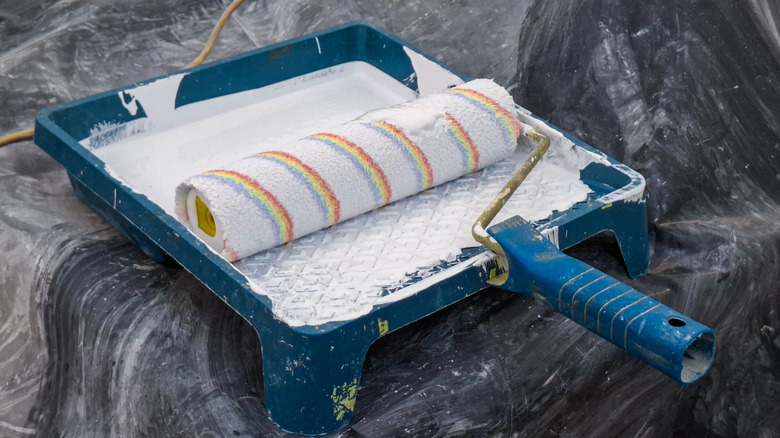
One advantage of selecting plastic paint trays is that they have a lower cost than metal. The main reason is that they are created to be thrown away after use. While some deeper reservoir trays made of thicker plastic may have a cost similar to metal, they will be several dollars cheaper in most situations. However, thicker plastic units are made to be reusable, with some holding more than a gallon of paint in their reservoirs. Thinner plastic designs will be less steady, especially when supporting the weight of paint in the reservoir.
If you're painting with a small roller that's 4 or 6 inches wide, it can be challenging to find a metal tray less than 9 inches wide. In a situation like this, plastic trays are usually easier to find for those roller sizes. One of the best tips for painting trim, edges, and handrails is to use a small roller and a small tray. If you're going to hold it while you paint your trim and other areas, the small, lightweight plastic tray design will make the job easier than using a larger tray loaded with paint.