

Can Keeping A Beehive Lower Your Property Taxes? Here's What To Know

For some hopeful beekeepers the appeal of the hobby may go beyond honey production to the potential for financial gain. We're not talking about selling honey at a local farmers market, although that could be lucrative as well. Keeping beehives can help some landowners significantly reduce their property taxes. Property owners wondering if they qualify for these lower property tax rates will need to check on their state or county policies surrounding this exemption, including finding out if the size of their land is eligible.
If you're the type who goes dreamy-eyed over DIYers who transform wood boards and shavings into functional beehives, you'll be inspired by some encouraging data on how beekeeping may reduce taxes. Landowners in Texas, for instance, who have between 5 and 20 acres of land, can forego paying up to 95% of land value property taxes. Depending on the county, properties as small as 5 to 10 acres can qualify, if beekeepers maintain at least six hives for that size property. They also have to prove that the land has been used for agricultural purposes for at least five years. Requirements such as these vary from location to location, though. In Arkansas and Florida, you can get this deduction on your taxes the first year you start beekeeping. Some states, such as New Jersey, also have stipulations about producing income from the honeybees –- but because of high tax rates, cost savings are potentially very high in this Mid-Atlantic state.
How keeping beehives can help you lower your property taxes
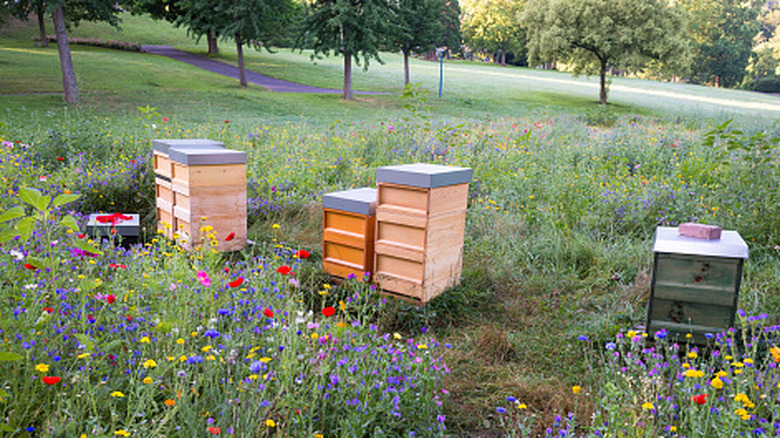
Some states and counties are willing to give property tax discounts for keeping beehives because honeybees can be designated as livestock. That means that properties where bees are raised may be classified as agricultural land for tax purposes. In general, governmental policies tax farmland at lower rates than other land to prevent farming from becoming prohibitively expensive. We may associate farmland with cattle or crops, but this type of land can be dedicated to raising honeybees as well. When you realize that each hive needs about an acre of flowering plants to live on, treating land dedicated to beekeeping as a farm makes sense. Where are the bees going to get their nectar and pollen if there aren't any flowering plants or blossoming trees around?
Although this hack for reducing your taxes may sound enticingly sweet, there are some downsides and caveats. Those who aren't sure about taking up beekeeping as a hobby might want to practice with a friend before making a commitment, since first year investments can run you up to $1000 per hive, depending on what type of hive you keep. You will also have to manage your hives year round, including keeping an eye out for pests you might find in the fall and winter. Be aware that you'll only be able to keep beehives to reduce the property taxes on your land, not on your home. And in some locations, the use of the land must be primarily agriculture, so if you have another business at the same location, this could prevent you from getting the exemption. To find out more about keeping beehives to lower your property taxes, you'll want to dig into your state, county, or parish tax codes.