

You Forgot About These 14 HGTV Shows — But They Redefined Home Design In The 2000s
We may receive a commission on purchases made from links.
Before "Home Town" and even before "Fixer Upper," HGTV had an entire roster of highly influential design shows. In fact, the 2000s were an extremely successful time for the Home & Gardens Television network. If you've been craving a little nostalgia, you're not alone. Lots of viewers have expressed that they miss the iconic shows from decades past. A lot has changed in the world of design over the last 25 years, but the cozy, unpretentious design of the early 2000s is well-preserved in the HGTV archives.
One thing that remains consistent across the HGTV shows of the 2000s is the much lower renovation budgets across the board. Although the aspirational renovations of the current era are certainly fun to admire, there is something comforting about the attainability of the older shows. Whether you're looking to reminisce on your favorite 2000s shows, or you're looking for some timeless design inspiration, we're going to take you on a walk down memory lane. You might just discover your new favorite one of these older programs.
Design on a Dime
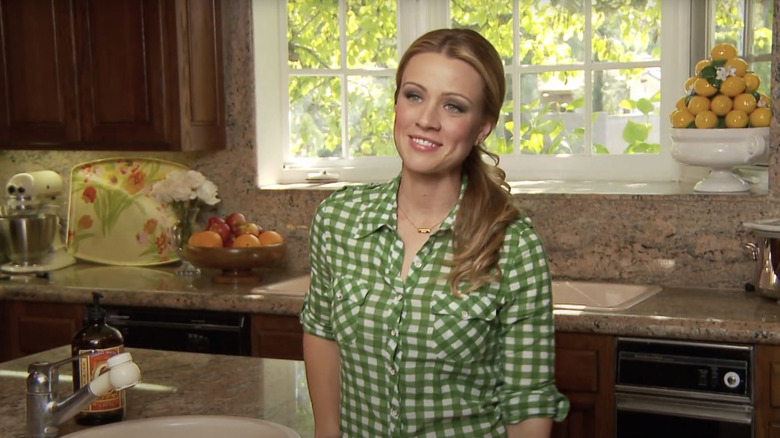
"Design on a Dime" had a simple concept that fans absolutely loved: revamp a space with a budget of only $1,000. With a 31-season run that stretched from 2003-2013, it was based in Chicago Illinois and hosted by HGTV stars such as Kristan Cunningham, Casey Noble, and Frank Fontana. As we come full circle back to recession-core decor, this show is more relevant than ever. Although $1,000 certainly can't be stretched quite as far as it could more than a decade ago, the show's money-saving principles can still be applied today. It demonstrates that you don't need to entirely overhaul your home to make it more livable.
16 years back, "Design on a Dime" host Frank Fontana told the Washington Post his top tips for designing on a budget, many of which can still be implemented today. For example, he recommended using lighting as an affordable way to change the mood and ambiance of your living space. To source cheap furniture, he advised buying from both IKEA and hotel furniture resellers. Another one of his cost-saving hacks was to embrace the DIY spirit by doing jobs like painting on your own, while only hiring professionals for the biggest tasks. The interior styles of the 2000s may be different, but the conventional wisdom around how to decorate your home on a budget remains largely the same.
Room by Room
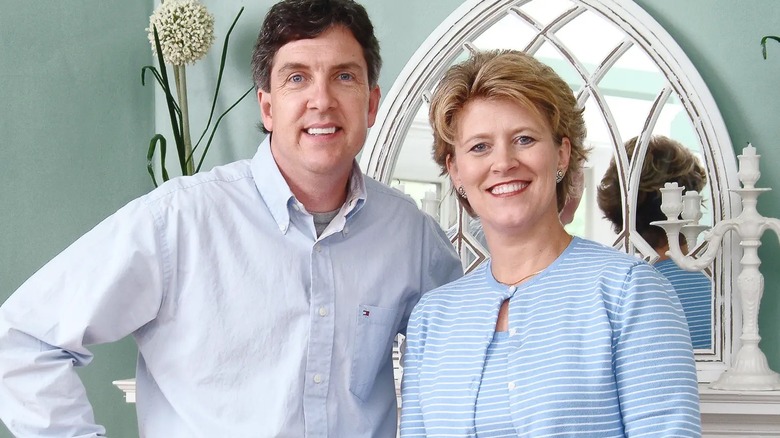
"Room by Room" was the first ever HGTV show. While it first aired in 1994, it ran for 24 whole seasons – well into the early 2000s. Hosted by Shari Hiller and Matt Fox, this wholesome program featured budget-friendly ways to makeover every room in the house. And although it is officially considered a "vintage" HGTV show, modern audiences still love the informative nature of the program. It's another example of accessibility in home improvement that many viewers feel is missing from today's lineup of HGTV shows.
On the show, Hiller was all about repurposing pieces you already own. However, she explained in a YouTube video that it's important to consider the cost of these upcycling projects before jumping right in. For example, it may actually be cheaper to purchase new items rather than pay for reupholstery. If you want to explore a new color scheme in your space, Shari recommended bringing in a few transitional pieces that help incorporate your new shade. These accessories should include the colors of your existing furniture pieces in addition to the color or colors you want to incorporate into your space.
Divine Design
Candice Olsen, one of Canada's top designers, was the well-loved host of "Divine Design." Rather than full gut renovations, Olsen used "Divine Design" to focus on the power of aesthetics and changing up the decor of a space. During the show's 12 year run starting in 1999, Olsen's style typically leaned luxurious, and she was known for incorporating rich, warm tones and glamorous details into her spaces. With 2000s trends back in the limelight — like the Tuscan quirky kitchen style no one ever expected to trend again – there's no time like the present to borrow some advice from the queen of this design era herself.
Even though her interiors were luxurious, Olsen still set an excellent example for designing on a budget. She often advocated for painting your cabinets instead of replacing them altogether. Plus, changing the entire layout of kitchens wasn't as normalized as it is on HGTV shows today. Instead, Olsen prioritized upgrading the aesthetics with fixes like new flooring, hardware, countertops, and upholstery.
Over Your Head

Hosted by Eric Stromer, "Over Your Head" ran from 2006-2011. It shared a similar concept to the current HGTV show "Help! I Wrecked My House," in that the show aimed to help homeowners caught in a design pickle after trying a "simple" DIY project. Stromer would come up with a new concept to save the space and solve any underlying design issues. One quality of the show that is unique to the programs of HGTV's past, is that the family actually helped accomplish the renovations. The show also walked the audience through each upgrade, teaching viewers how renovations get done, step by step.
"Over Your Head" was proof that doing your own renovations isn't off limits altogether — you just need to know what you're getting yourself into. The greatest piece of guidance Stromer offered is that you should never cut corners in your renovation. It may be tempting to get things done quickly, but if the end result doesn't pass his "white glove inspection," it's not move-in ready. You can use his post-it method to get started on your project, which entails adding post it notes to everything you want to upgrade, and removing them as each enhancement is accomplished.
Holmes on Homes
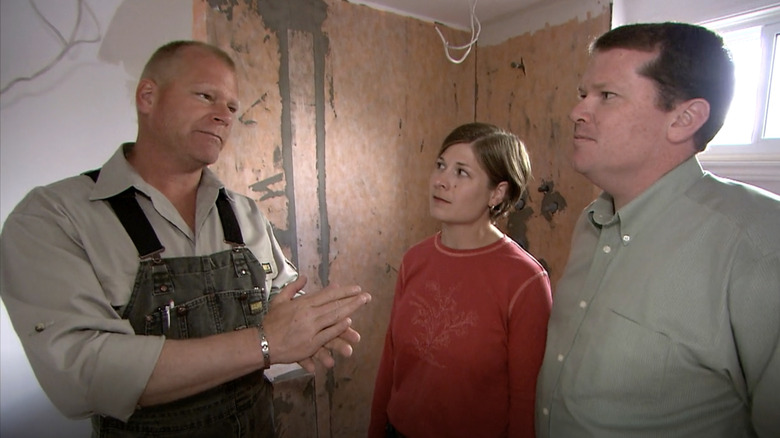
There have been so many spinoffs and HGTV programs starring Mike Holmes, you might have forgotten that "Holmes on Homes" originally ran from 2003-2009. Now famous for his catchphrase, "Let's make it right," Mike Holmes skyrocketed to HGTV fame. He performed interventions after renovations were botched by sketchy contractors, showing homeowners what to look out for when planning their own home upgrades.
The advice from "Holmes on Homes" is practically endless. His active website, Make It Right, is an excellent resource for all things home improvement. When asked on his podcast about his #1 piece of renovation advice, Holmes told homeowners to trust their instincts. If you feel uncomfortable with a contractor, based on financial requests or safety concerns, end the relationship. Homeowners should educate themselves on issues like asbestos and other potential hazards, so they can speak up if something seems off with a contractor. These are Mike Holmes' best tips & tricks for a seamless home renovation.
Curb Appeal
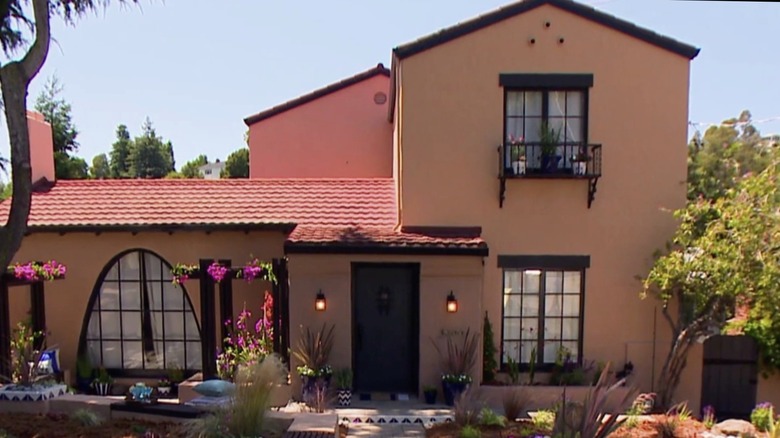
"Curb Appeal" first aired in 1999, and it had several spinoff shows as well. These include "Curb Appeal: The Block" and "Curb Appeal Xtreme," Each series pairs homeowners with real estate experts to transform their dated home into a showstopper from the street. This program is proof that the outside of a home is just as important as the inside.
Exterior trends come and go, but the show shared plenty of fundamental design principles and creative ways to increase your home's curb appeal. For example, the exterior of your home should have some level of cohesion. If parts of your home look classic while others appear contemporary, it may look awkward from the outside. You can also prioritize landscaping and a show stopping entryway to maximize impact from a street view. But the lessons from Curb Appeal often return to finding ways to bring your home back to its architectural roots. You may have more luck leaning into its original era of construction, rather than trying to fight against it.
Design Remix
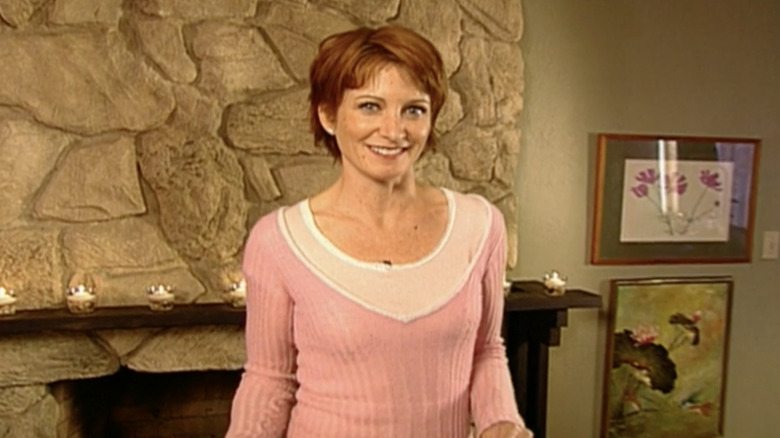
"Design Remix" was an HGTV favorite that ran from 1999-2007. One of the hosts of the show was Karen McAloon, who helped homeowners transform their interiors with items they already owned. Focusing on multi-generational families and people sharing smaller spaces, this no-budget makeover concept was an excellent example of the resourcefulness of 2000s design shows. So it's the perfect source of inspiration if you're bored with your space but don't want to spend any extra cash.
Most clients on today's HGTV shows have a substantial budget to allow for the reimagining of their homes. It can be tempting to get swept up in the idea that you "need" to redo certain parts of your dated or dysfunctional home, but "Design Remix" will help bring you down to earth. Some hacks that McAloon often used to upgrade spaces for $0 included creating cohesive color schemes, putting quirky keepsakes in full view, and clearing out any unwanted clutter. More importantly than looking stylish, your interior should feel true to your unique aesthetic. And what better way to achieve a personalized look than displaying all of your own items?
Decorating Cents

If you thought "Design On a Dime" was budget-friendly, "Decorating Cents" cuts the $1,000 budget in half, providing designers with a $500 limit. It ran from 1997-2008 and was hosted by Joan Steffend. While its budget limit was more attainable for regular audiences, the interiors were a little too out-there for most modern tastes. Case in point: The show is currently trending online, as viewers rediscover and critique the funky and dated designs.
Although many of the designs are a bit quirky for viewers revisiting the show today, there are some tips and tricks that can be altered to suit a current space. For example, rich, warm colors were often used to transform a dull interior. For example, one renovation featured red cabinets, a trend that is making a comeback in contemporary homes. The lesson to take from shows featuring more eclectic styles isn't to copy the DIYs exactly. Rather, it's to focus on the power of upgrading single items with pops of personality.
Design Star
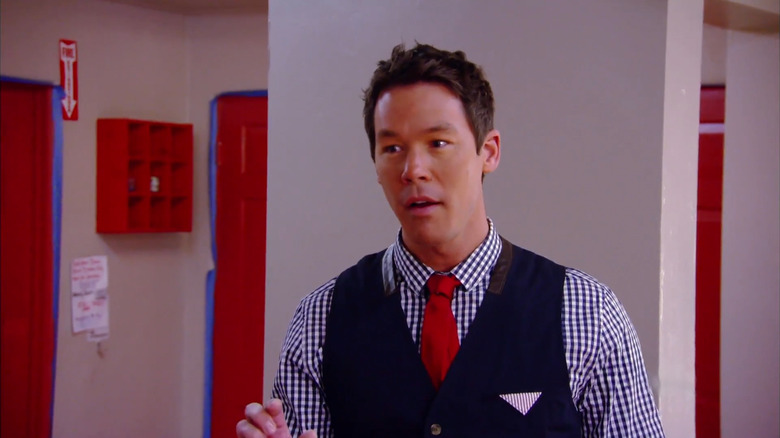
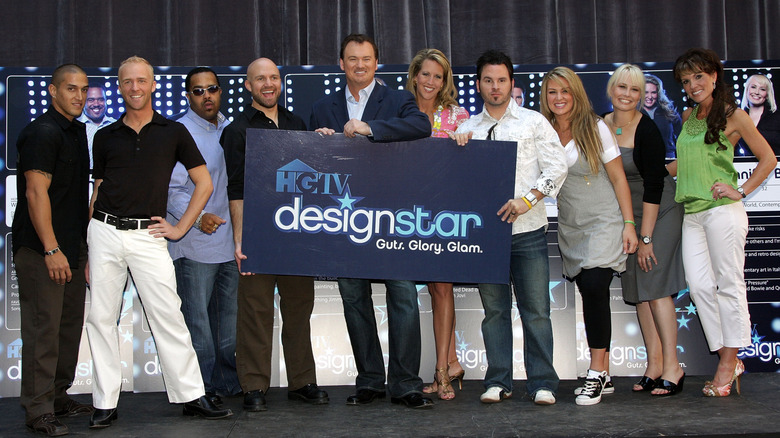
"HGTV Design Star," was a competition show that featured ten aspiring interior designers competing for the winning title. It first aired in 2006, and featured several familiar judges, including Cynthia Rowley, Genevieve Gorder, David Bromstad, Candice Olson, Tanika Ray, and more. The show even skyrocketed several of these hosts to fame, which transformed the channel's popularity in the 2010s.
In an interview with Entertainment Weekly, David Bromstad named some of his favorite moments of the series, reflecting the genius design choices that were spotlighted on the show. Some of the most memorable designs included high-concept installations and avant-garde additions. From a wave mural that "washed" away furniture, to pink-painted geese perched above a fireplace, "HGTV Design Star" was all about taking bold chances. And if you're curious about what all the "HGTV Design Star" winners are up to today, they are all still making their mark on the world of design.
Dear Genevieve

You may know of Genevieve Gorder as the iconic 2000s designer that hosted "Trading Spaces," but it was her hit series "Dear Genevieve" that really skyrocketed her career. During the show's run from 2009 to 2012, viewers would write in asking for advice on how to fix their dysfunctional home designs. Gorder would then surprise the viewer at their home and help turn their space into a personalized sanctuary. Each home was entirely customized to the owner's unique taste.
Among Gorder's best tips for mastering interior design, one that became especially popular was: "ban the beige." Even back in the 2000s, she didn't jump on the all-beige trend. Instead, she advised homeowners to focus on the emotional element of decorating. Gorder told the Illinois Times: "It's the one environment in our lives that we can control." So if you take away one thing from her design wisdom, let it be that the desire to fit with trends shouldn't overpower the fun, personal part of interior design.
Deserving Design
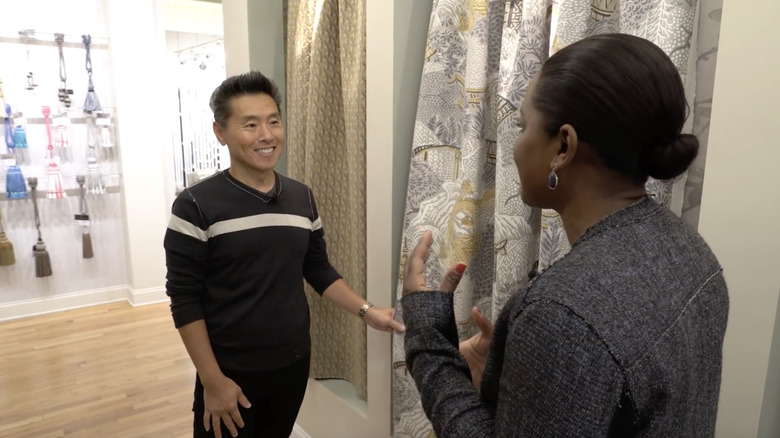
"Deserving Design" was another show that was popular for its beloved host. Another "Trading Spaces" alum, Vern Yip hosted this series that ran from 2007 for four seasons. In a heartwarming approach, Yip platformed homeowners who had been through difficult times and were deserving of a beautiful makeover. Each client had an emotional story that resonated with Yip and the viewers, making this show stand out with its sentimental tone.
Yip is still an active designer, touting the same principles he promoted back in the early 2000s. In fact, his philosophy is in line with most of the HGTV shows highlighted above: an interior is personal, and personalization should always supersede chasing trends. Yip also believes strongly in the power of patterns and textures, which is reflected in his book, "Color Pattern Texture: The Foundation to Make Your Home Your Own," as well as his collection of vibrant textiles. And if your design goal is to feel like you're always on vacation, Yip's tips will transform your home into a relaxing getaway.
Designers' Challenge
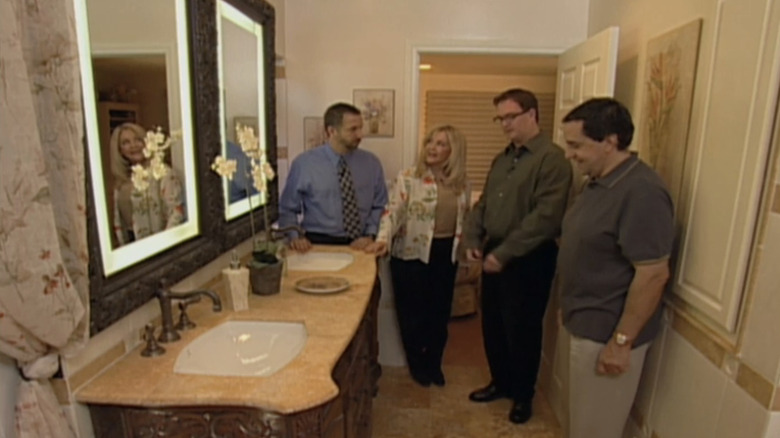
In "Designers' Challenge," hosted by former "Bachelor" host Chris Harrison, three designers would pitch their own ideas for one client's room. The client would then choose their favorite, and the design was brought to life. The show ran for 17 seasons, starting in 2000, but its concept has proven to be timeless. Current home brands like Architectural Digest have even recreated the format for YouTube to entertain today's audiences. The budget of the show was quite high compared to other programs of the time, with clients putting forward tens of thousands of dollars for each renovation. It was also future-focused, with 3D renderings of the designs being shown to the homeowners.
The featured designers always had contrasting aesthetics, offering a large range of styles for the client to choose from. But one challenge that the designers continuously faced was to meet the needs of both partners or family members. While merging tastes can be difficult, a good designer will add elements to please both parties while still creating a cohesive space. And the show offered plenty of advice for how to confidently blend multiple decorating styles in one space, which is still relevant today: whether it's finding a unifying color palette or identifying shared functional priorities that can guide the overall design. "Designers' Challenges" demonstrates how marrying seemingly disparate design needs can lead to a cohesive space with plenty of personal style.
Kitty Bartholomew: You're Home
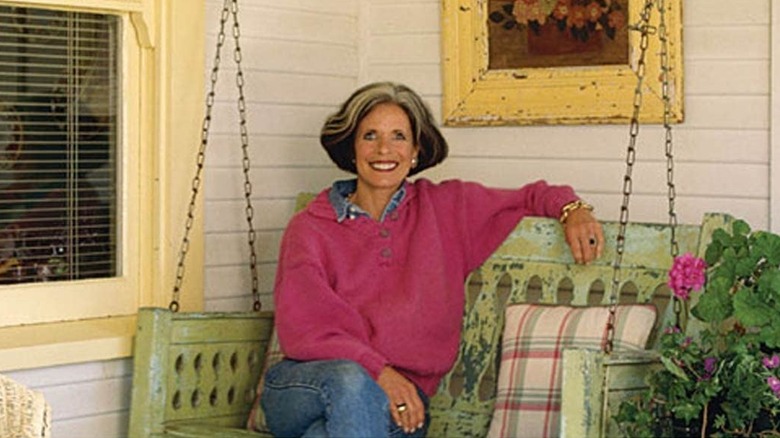
"You're Home" was an HGTV program hosted by Kitty Bartholomew from 1994-2003. Every episode showed practical ways to update your home, another early show on the home improvement channel that focused on showcasing attainable upgrades. Bartholomew would visit different homes, profiling individual spaces that she found innovative and exciting. The fact that this show highlighted real people and their real homes made it unique and much more relatable to the average homeowner.
If you detest the all-white, ultra-minimalist interiors that have been popularized on recent HGTV shows, "You're Home" might be more your style. Kitty Bartholomew wasn't afraid to take chances with bold decor, like hand-painted furniture or playful wallpaper. However, she also advocated for elevating your existing decor. If you can't afford new wallpaper, Bartholomew recommended trying your hand at painting the designs yourself. If reupholstering is out of your budget, consider the power of slip covers. To take a cue from Bartholomew: "It's not what you don't have, it's what you do with what you do have."
If Walls Could Talk

For historic design lovers, "If Walls Could Talk" was the show to beat. It ran for 20 seasons from 1998-2008, showcasing old homes, hotels, inns, and chateaus to give viewers a peek into the past. Often, jaw-dropping secrets were revealed about a home's former residents –- whether they were royalty or mystics. Not only was this show fascinating, but it was also educational.
It may not have been a design-based show, but there was plenty of insight on tips to follow when renovating a historic home. One recurring piece of advice was to consider what lies beneath retro "upgrades" like carpet and wallpaper. Historic homes often have stunning tile, hardwood, or painted details that have been covered up over the years. So before you decide to add more flooring or wallpaper on top of the old, try taking a peek at what could be hiding underneath.