

1940s Home Design Features To Consider Trying In Your Space
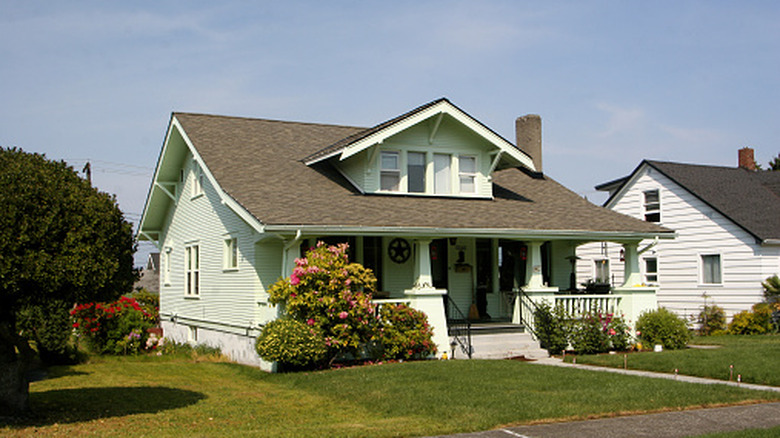
Whether you're restoring a 1940s home to its original beauty or simply want to bring the era to your current abode, the practical, minimalist styles of the decade still translate well to life today. WWII heavily defined the period, causing people to ration and support the war efforts from home, followed by a sense of relief and optimism after the war. Along with that optimism, home ownership became the American Dream. The homes that came out of the period were mostly small starter homes with practical designs, but that doesn't mean they lacked personality. Iconic features, like white picket fences and wood-burning stoves, give homes from the 1940s their own style.
In an exclusive interview with House Digest, Sarah Stafford Turner, House Digest's resident architecture and design historian, delves into 11 features from the 1940s that you should consider for your home. She not only gives us the history of those features, describing how they were used in homes in that decade, but she also suggests practical ways to integrate them into your home now. Pair Turner's suggestions with the 1940s kitchen design features we wish would come back to send your home through a time warp to a simpler time.
The obligatory white picket fence
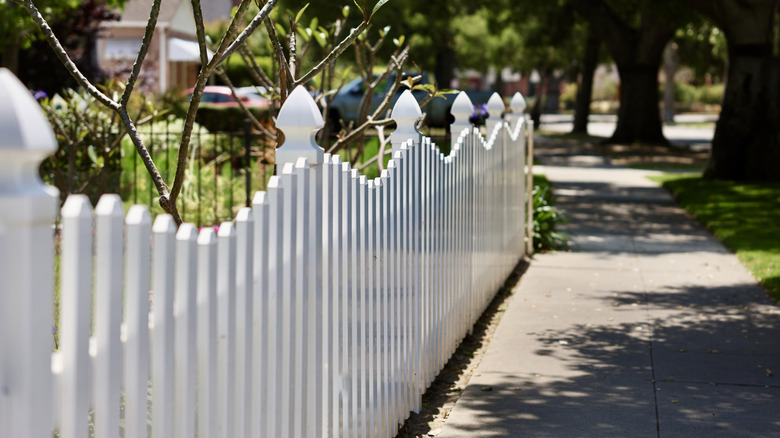
Perhaps nothing is more representative of the American Dream than the white picket fence. Picket fences started long before the 1940s, appearing prominently in colonial times, but it was in the late 1940s when the fencing became the hallmark of suburban homes. Sarah Stafford Turner tells us, "For postwar families, a clean, white picket fence became so synonymous with middle-class success that it became a metaphor for the ideal home." The fencing also stood as a symbol of safety and security at the conclusion of the war, creating a physical barrier for the home. Many creative works, from movies to books, incorporate the symbolic fence as a nod to the middle of the century and idyllic small-town and suburban living.
Today, many neighborhoods boast wood privacy fences, but there's still room for the 1940s-inspired picket fence. Turner says of modern-day white picket fences, "Today, as families move towards a smaller and more efficient, eco-conscious way of living, close-together, fenced-in properties once again benefit from this touch of suburban design. A clean, white fence still evokes the American dream and is one of the easiest types of fencing both to maintain and to customize." There are plenty of gorgeous ways to style a white picket fence to boost curb appeal if this 1940s feature is one you want to use. It's the perfect way to differentiate your property and embrace your own sense of security.
Modular furniture
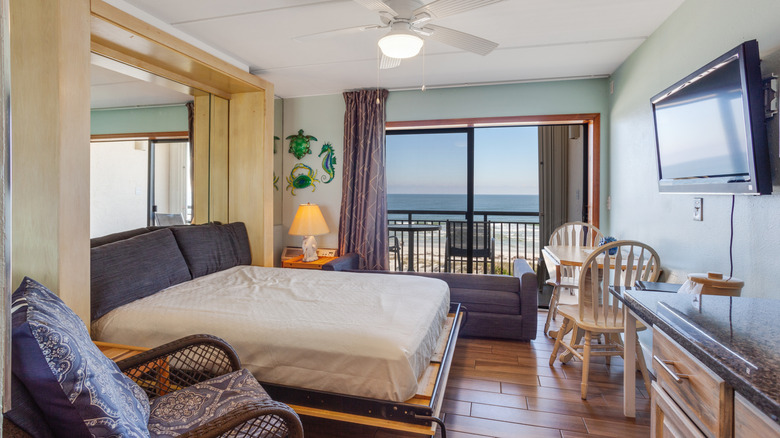
Modular furniture refers to flexible pieces that can be rearranged, moved, and used in different ways. While this might seem like a modern concept, this type of multipurpose furniture was helping simplify life in the 1940s. According to Sara Stafford Turner, "As espoused in Mary and Russel Wright's famous "Guide to Easier Living," the postwar era was a time of innovation in home design, with a mind to simpler workflows and increased convenience. Modular furnishings were a huge part of this: It was the era of portable dinner carts, wall-mounted pull-out tables, and furniture on casters for easy moving." Harvey Probber also launched his furniture design career in the 1940s, designing a modular sectional sofa before moving onto other types of modular furniture. He stood out for his innovative modular designs.
It was all the rage in the 1940s, and modular furniture is also the up-and-coming furniture trend that will change the way you enjoy your space. Turner notes, "In today's work-from-home culture, these modular furnishings are equally convenient. In a small studio apartment, you can tuck away your desk at the end of the day by folding it back up onto the wall, or convert your futon bed into a sofa for lounging." Even if you live in a larger home, you may find the versatility and adaptability of modular furniture appealing. It helps you transition through life's changes with pieces that can increase storage, amplify comfort, and bring purpose to all spaces. Modular designs give you more control over your space with customization that you can change at any time.
Three-season porches
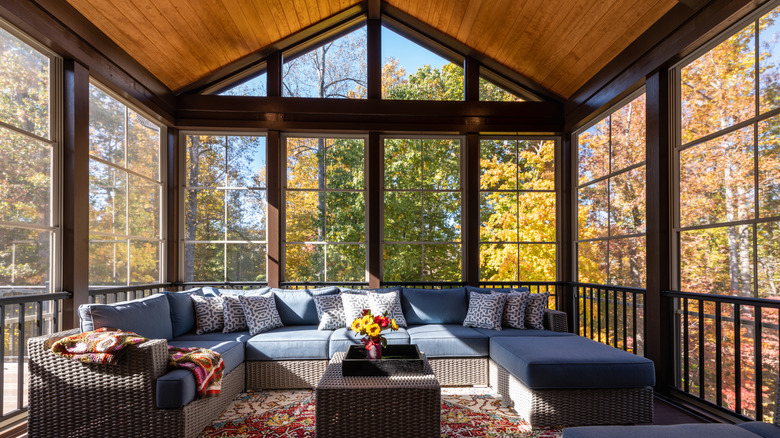
Three-season porches, sunrooms, screened porches — there are many variations on spaces attached to homes that let you experience the outdoors without dealing with bugs and weather. Sarah Stafford Turner tells us, "In the late 1940s, Americans felt a sense of ease and relief that the War was over. They started building more spaces for lounging and leisure in their homes — including screened-in porches where they could enjoy a blend of indoors and outdoors at the same time." Three-season porches are enclosed and have windows, but aren't connected to the HVAC system, which is why they may only work for three seasons in some climates. However, all of those windows give you a great view of the yard.
There are many types of sunrooms that might be right for your home, but Turner advocates for the three-season version, telling us, "While there are many ways to build usable outdoor space (patios, decks, etc.), the utility of a three-season porch has never really waned. In many climates, you can even use it year-round. Fill it with all the amenities of a regular room (sofas, electronics, a fireplace) to get that 'outdoor living room' vibe that is trending now." It's a way to get some extra indoor space that alsoserves as a transition to the outdoors, making it ideal for entertaining. You can add a three-season porch relatively affordably while increasing your home's value. Plus, your houseplants will love all of that sunlight.
Washable surfaces
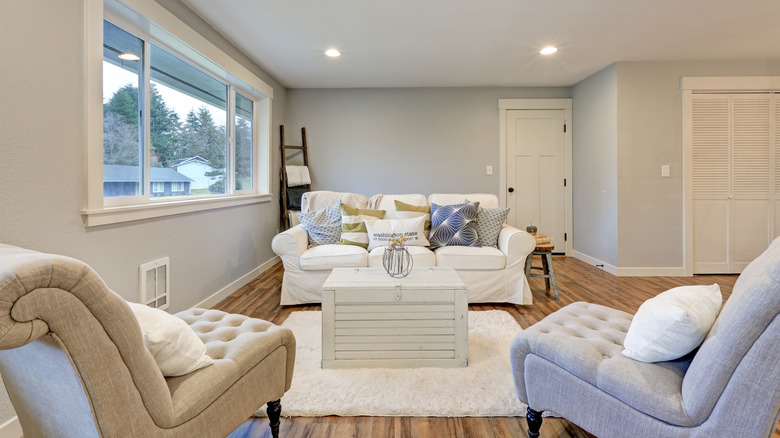
World War II pushed many women into working outside of the home, but those positions largely disappeared after the war. And, society still encouraged women to stay home, where they handled the house, including keeping it impeccably clean. According to Sarah Stafford Turner, "In an era when many women stayed at home and maintained pristine houses as points of pride for their family, the notion of 'washable surfaces' was seen as groundbreaking. From scrubbable wallpapers to laundry-friendly sofa covers, these furnishings were meant to ease the burden of the American housewife."
Life hasn't slowed down, so washable surfaces are still beneficial. These days, it seems like almost everything comes in a washable version. Turner says, "Today, men and women both work and maintain their homes simultaneously — making such utilitarian surfaces advantageous to anyone. Amazon is full of stylish options for pet-friendly sofa covers, preventing you from having to spend your days off cleaning dog hair from your boucle cushions. Likewise, many peel-and-stick wallpapers come in water-proof formulations for easy cleaning." Choosing a washable wallpaper offers easy maintenance, but these products are also very durable, so they'll hold up to daily life. If wallpaper isn't your style, choose satin or semi-gloss paint to keep your walls easy to wipe. Washable rugs dress up your floors and clean up quickly in the washing machine, allowing you to keep dirt and allergens under control in busy areas. When you're redecorating or furnishing your home, compare the options to choose materials that allow for washing to simplify your life.
Wood stoves
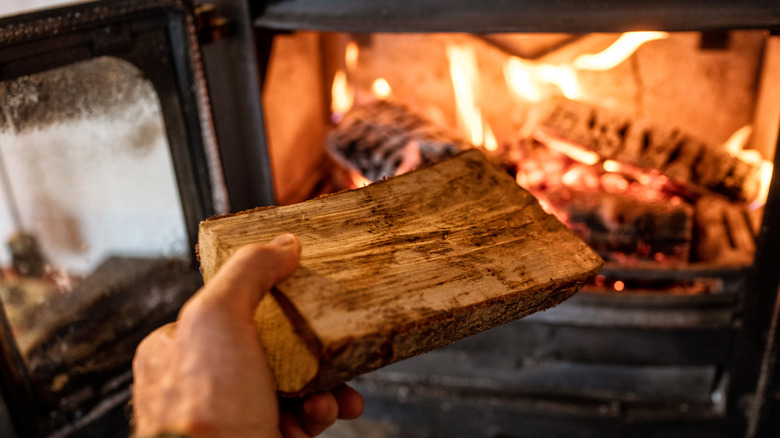
The way we heat our homes has changed a lot since the 1940s. In her interview, Sarah Stafford Turner says, "Home heating was completely different in the 1940s. While today we have mini splits and in-floor heating, lots of families in the 1940s relied on different sources of heating in different rooms." Wood stoves often provided that warmth — 22.7% of American homes relied primarily on wood for heat in 1940, according to the Alliance for Green Heat. Wood, along with coal, remained the top options in the 1940s, despite the development of the early 19th-century gas stove and the 1920s oil heaters.
Turner suggests, "With the price of home heating increasing due to political and ecological demands, wood stoves — a popular option in the 1940s — are now becoming another great option for families looking for a financially sustainable heating source. Small wood stoves can heat entire floors of open-plan living spaces, making them especially compatible with contemporary homes." Wood is often the cheapest heating fuel. Plus, you have a reliable, consistent source of heat, even during power outages, fuel shortages, or increased fuel prices. And there's something cozy and charming about a wood stove — the units come in a wide range of styles, with materials often including soapstone, cast iron, and steel. Not sure how to know if a wood-burning stove is the right option for your home? It does take extra work — you have to load the stove, keep it filled for consistent heat, and deal with the cleanup. You'll also need ample space, as local codes typically require 36 inches or more between a wood stove and combustible walls.
The 'don't get up' table setting

After WWII, home layouts changed, and many homes shifted from having hired help to the women handling domestic duties themselves. Families often looked for ways to make meals easier, and one way was to keep everyone at the table. Sarah Stafford Turner tells us, "Developed by Mary Wright in 1950s, the 'don't get up' table setting is a method for setting one's table with all the dishes and condiments you will be serving, to prevent family from having to stand to get additional portions. This means, instead of serving out of cookware, every dish is transferred to a decorative, table-friendly bowl or platter with serving utensils."
Whether you love to entertain or simply want more time with your family, you might consider bringing back this style of dining. However, you may need to upgrade your serving pieces to accommodate it. Turner acknowledges that this concept comes at a price, stating, "Yes, it's an investment in dishware and supplies, but less time getting up to re-fill your dish means more time at the table with your family. And, with elegant suites of dishes becoming popular once again on wedding registries, and the dedicated dining room have a resurgence, this style of dining may once again feel relevant for many families." So, dig out those dishes you got for your wedding, or head to the thrift store to piece together a collection that encourages everyone to sit down and relax around a home-cooked meal.
Integrated pantries

Pantries date back to the Middle Ages, as rooms designed for storing bread. The storage space evolved over time, with one highlight being butler's pantries, which held fancy silver and china and were often locked because of that. Kitchen designs changed in the 1930s, incorporating more cabinets, along with fridges. That transitioned into pantry changes in the 1940s, when middle-class homes became smaller, with less room for separate food storage spaces. Sarah Stafford Turner shares, "Having a "butler's pantry" was once an indicator of status and space. Today, in many homes, it still serves this purpose. But, as many Americans move to smaller footprints to ease their cost of living, integrated pantries are returning to the forefront of kitchen design. This was an innovation that first sprung up in the 1930s and 1940s, with Americans moving from larger estates to smaller, suburban homes."
The concept of an integrated pantry isn't just about cutting back. Turner describes another benefit, saying, "It also helped families prepare and serve meals more conveniently, with everything located in one space, rather than having to go back and forth from kitchen to pantry to grab or put away dishes. This ease of workflow suits many modern home cooks, who have limited time to indulge in their passions and would rather spend the time enjoying their meals rather than cleaning up after them." Today's pantry cabinets offer customizable features, including varying shelf heights, pull-out trays, and integrated spice storage. Integrating pantry storage into your kitchen is a cost-effective alternative to a walk-in pantry and uses space efficiently in smaller homes.
Dormered windows
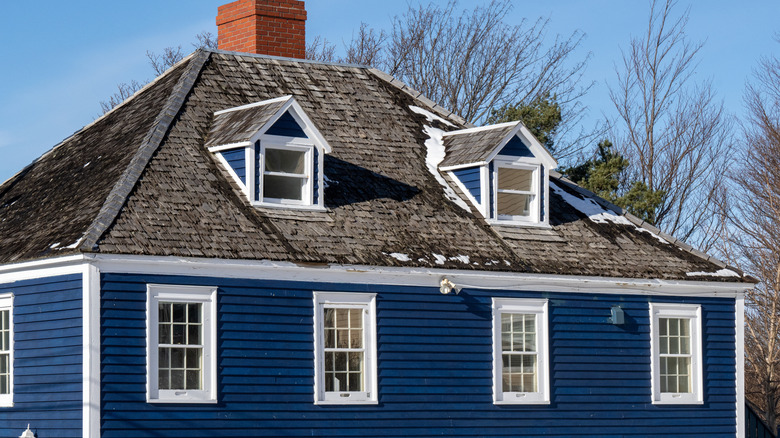
In a small home, you have to get creative to maximize your space. The homes of the 1940s often had an aesthetically pleasing and room-brightening way to do that. Sarah Stafford Turner states, "If you have an attic space that you don't use, and you need an extra bedroom, play room, or office, adding dormered windows can help you transform that upper floor into a livable area. Dormers were popular in the 1940s when people began building smaller homes and maximizing every square inch of space." A dormer sticks out straight from a sloped roof, which adds height where the room's ceiling would otherwise slant.
Turner explains, "The ceilings in this upper floors are typically lower, so dormers can provide extra light and a more open feel. While this might not be your ideal hangout if you're over 6 feet tall, it makes a great spot for a child's room or a space where you'll spend most of your time sitting. You, too, can embrace the 1940s idea for maximizing every usable room in your house rather than taking on costly additions." If your attic is already finished, you can add a dormer, professionally installed, for an average of $15,000, but it could cost as little as $6,000. You can choose different types of dormers for your home to fit its style. Meanwhile, home additions average around $50,000 and could go up to $160,000 or more, depending on the size and features. Even if the attic is currently unfinished, you're looking at an average of $20,000 to finish it, which is still much cheaper than an addition. Plus, it adds a new architectural feature to the exterior of your home, with a classic, charming look.
Soothing pale shades
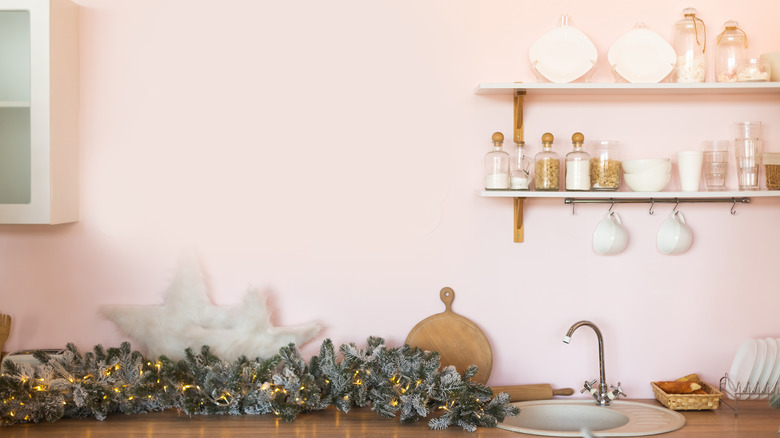
At a time with both wartime and post-war hope, interior design styles shifted throughout the 1940s. Neutral earthtones, like brown and olive green, kicked off the decade, but that gave way to more vibrant colors after the war. Sarah Stafford Turner affirms this, saying, "The soothing color palette of the late 1940s included exterior and interior paint shades in colors like rose pink, butter yellow, and seafoam green. These shades were meant to create a happy, relaxing environment for postwar families." Those colors often extended to furniture and other design elements. You can explore a 1940s time capsule home complete with pastel retro decor to get an idea of how this might look.
If you're ready to say goodbye to all-white rooms and neutral color palettes, embracing the optimistic, colorful palettes of the 1940s could be a good choice. Turner suggests, "Today, with the emerging maximalist trend, mixing these colors into your space alongside neutrals and pops of saturation can make for an elegant balance. Try pairing a sofa in a stand-out shade with rugs and curtains in pale hues and a neutral wall color." The mix of neutrals with bold colors allows for vibrant contrast without too much color, and it supports a cohesive look. Starting small, perhaps with artwork or decorative throw pillows, helps you take baby steps into the world of bold color. That way, you're not overwhelmed with color on all four walls, and if you decide you're not a fan of the colors, you can always replace them easily.
Handmade textiles

If you want to embrace the 1940s vibes, skip those mass-produced blankets, throw pillows, and other accents. In that decade, people still relied on their own hands to craft home interior accents and textiles. Sarah Stafford Turner notes, "In the 1940s, many people were still making their own blankets, quilts, curtains, tablecloths, and more. It was common for young women to learn to sew, knit, and embroider at a young age." Some people never stopped these fiber crafts, but the hobby did drop off significantly in the 1970s and 1980s, being replaced by machine-made items that were available at affordable prices.
Despite still having access to ready-to-use textiles, people are going back to those classic hobbies. For many, that started during the pandemic with inspiration coming from TikTok creators who shared their projects. Turner tells us, "Today, people are embracing these household crafts in their free time, devoting hours to learning these soothing and gratifying artforms. In an era of mass production, having accessories you made yourself, like monogrammed napkins or hand-tatted hankies, is a sign of creativity and a hallmark of unique, one-of-a-kind decor." You also have more control over the patterns, colors, and materials used in your designs. Instead of settling for synthetic fibers, you can lean into natural fibers for your hand-made textiles. If you're not ready to pull out your sewing machine or knitting needles, consider upcycling vintage textiles into framed artwork or other home accents.
Laminate/melamine counters
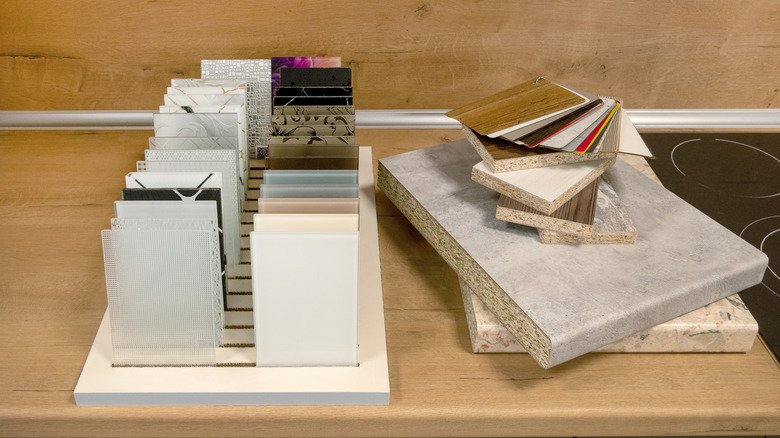
Think high-end stone is the only option for your countertops? Laminate gets a bad rap, but you might be surprised how much laminate has evolved since the early days. We hear from Sarah Stafford Turner, "While there's still an overwhelming preference for marble, quartz, and granite counters in luxury builds, believe it or not, laminate has come a long way from your grandmother's 1940s melamine counter." Higher-grade options come in a wide range of designs and patterns, often replicating the more expensive and popular stone materials.
This type of countertop has endured since then — so, has the popularity of laminate countertops ever gone away? Back in the 1940s, laminate was a luxurious countertop option, and the 1970s brought on creative shades of laminate, like avocado green with specks. While granite took over in the 1990s, laminate remained a contender for cost-effective countertops. Turner says about laminate, "It's still an affordable option, but you can now design laminate counters with elegant bullnose edges, stone-like textures, and increased durability." You won't have to seal laminate countertops — they're durable without a lot of maintenance.